

WGS.S30 Global South Feminisms
This course explores the intersection of race, gender, and class through a critical engagement with feminist thought from the Global South, with particular emphasis on Black feminist traditions from Brazil. Drawing on readings, lectures, and discussions, students will examine how marginalized voices—especially those from Latin America and the African diaspora—challenge and expand dominant frameworks in feminist theory. The course will highlight Brazilian Black feminist thinkers and activists whose work has reconfigured debates on democracy, colonial legacies, and social justice. Key themes include the politics of speaking from the margins, Black feminist thought, Dalit feminism, and the role of translation in shaping the circulation and reception of critical ideas across borders. By the end of the course, students will develop a deeper understanding of how feminist epistemologies from the Global South, particularly from Brazil, reshape global conversations on power, identity, and resistance.
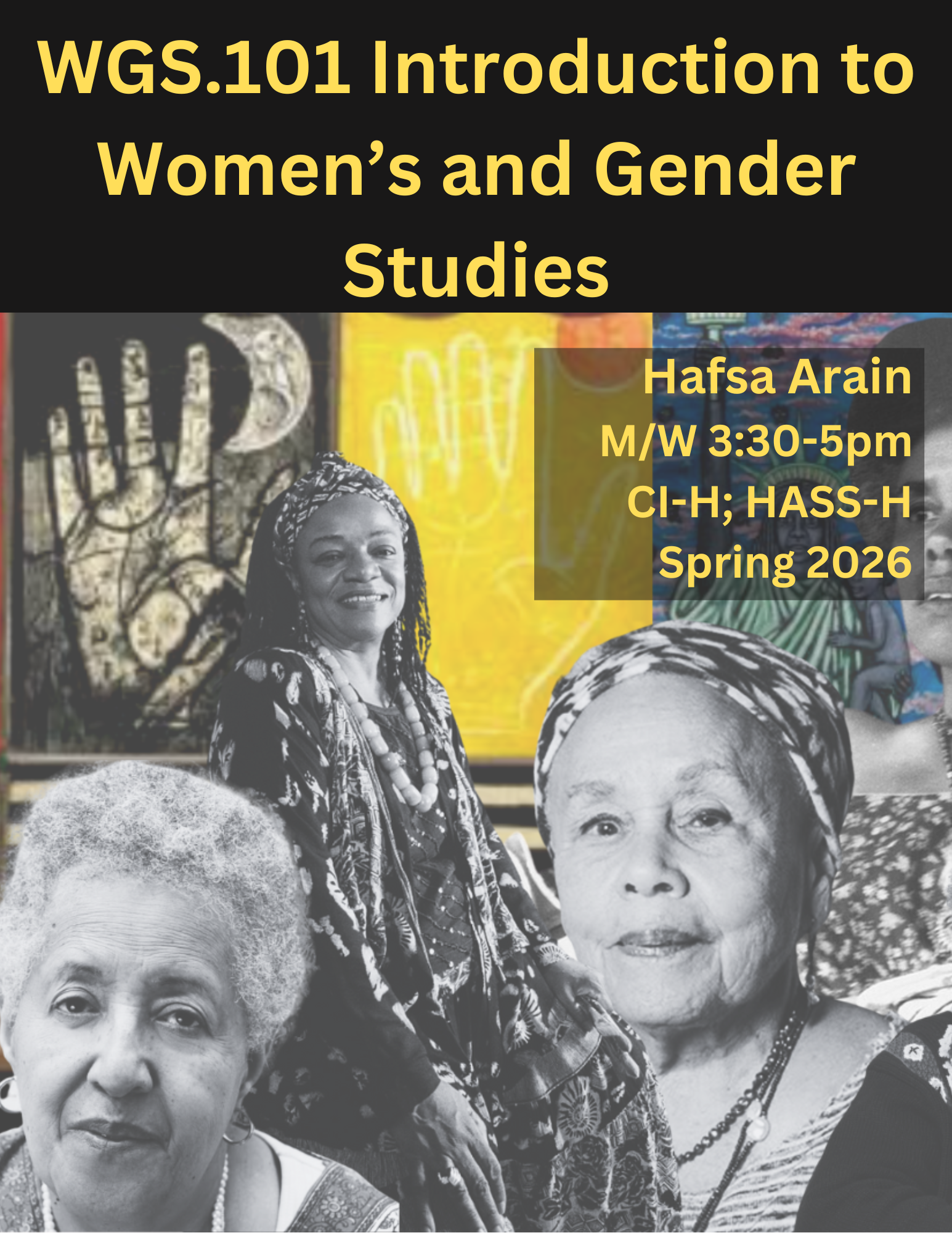
WGS.101 Introduction to Women’s and Gender Studies
Drawing on multiple disciplines - such as literature, history, economics, psychology, philosophy, political science, anthropology, media studies and the arts - to examine cultural assumptions about sex, gender, and sexuality. Integrates analysis of current events through student presentations, aiming to increase awareness of contemporary and historical experiences of women, and of the ways sex and gender interact with race, class, nationality, and other social identities. Students are introduced to recent scholarship on gender and its implications for traditional disciplines.
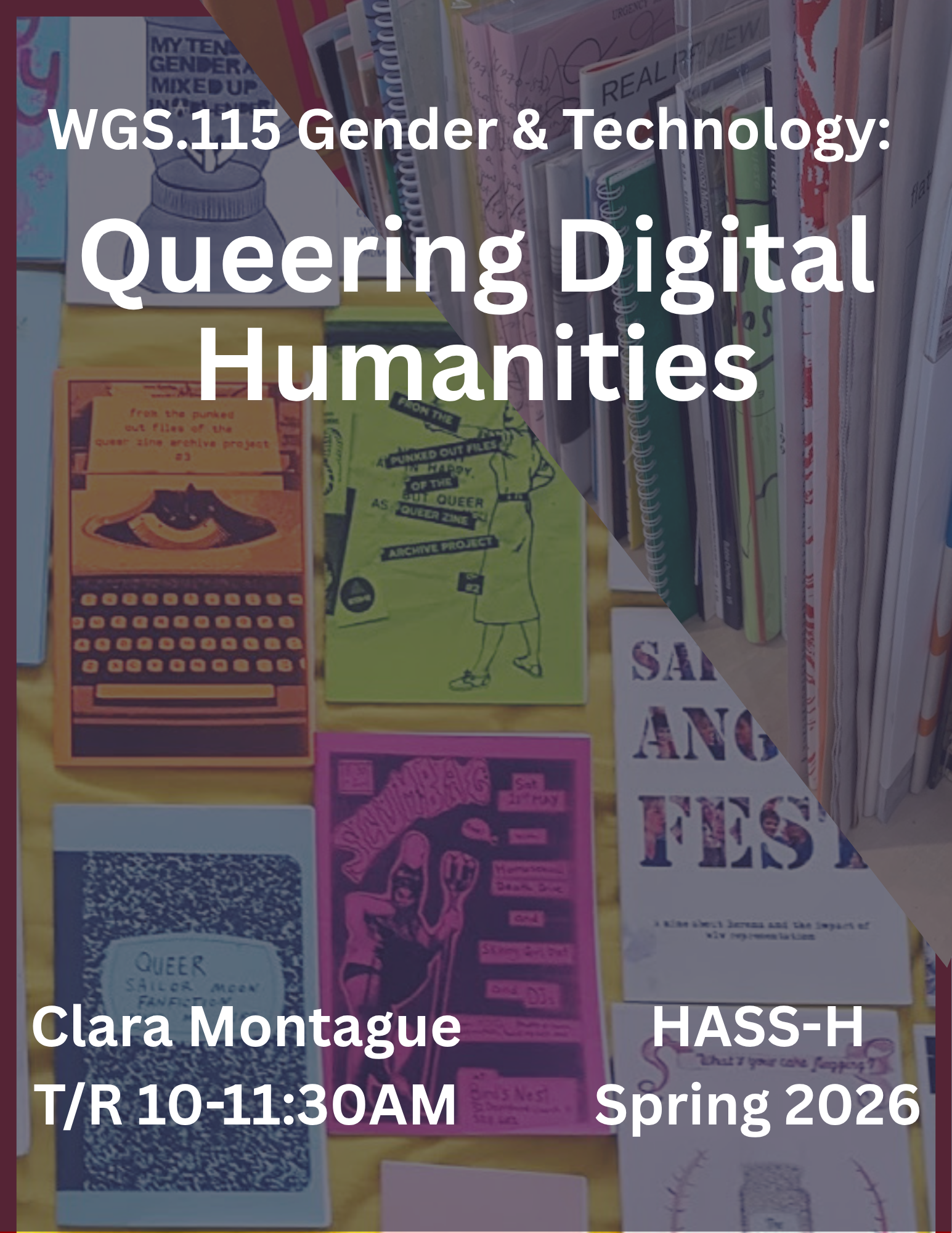
WGS.115 Gender and Technology: Queering Digital Humanities
Considers a wide range of issues related to the contemporary and historical use of technology, the development of new technologies, and the cultural representation of technology, including the role women have played in the development of technology and the effect of technological change on the roles of women and ideas of gender. Discusses the social implications of technology and its understanding and deployment in different cultural contexts. Investigates the relationships between technology and identity categories, such as gender, race, class, and sexuality. Examines how technology offers possibilities for new social relations and how to evaluate them.
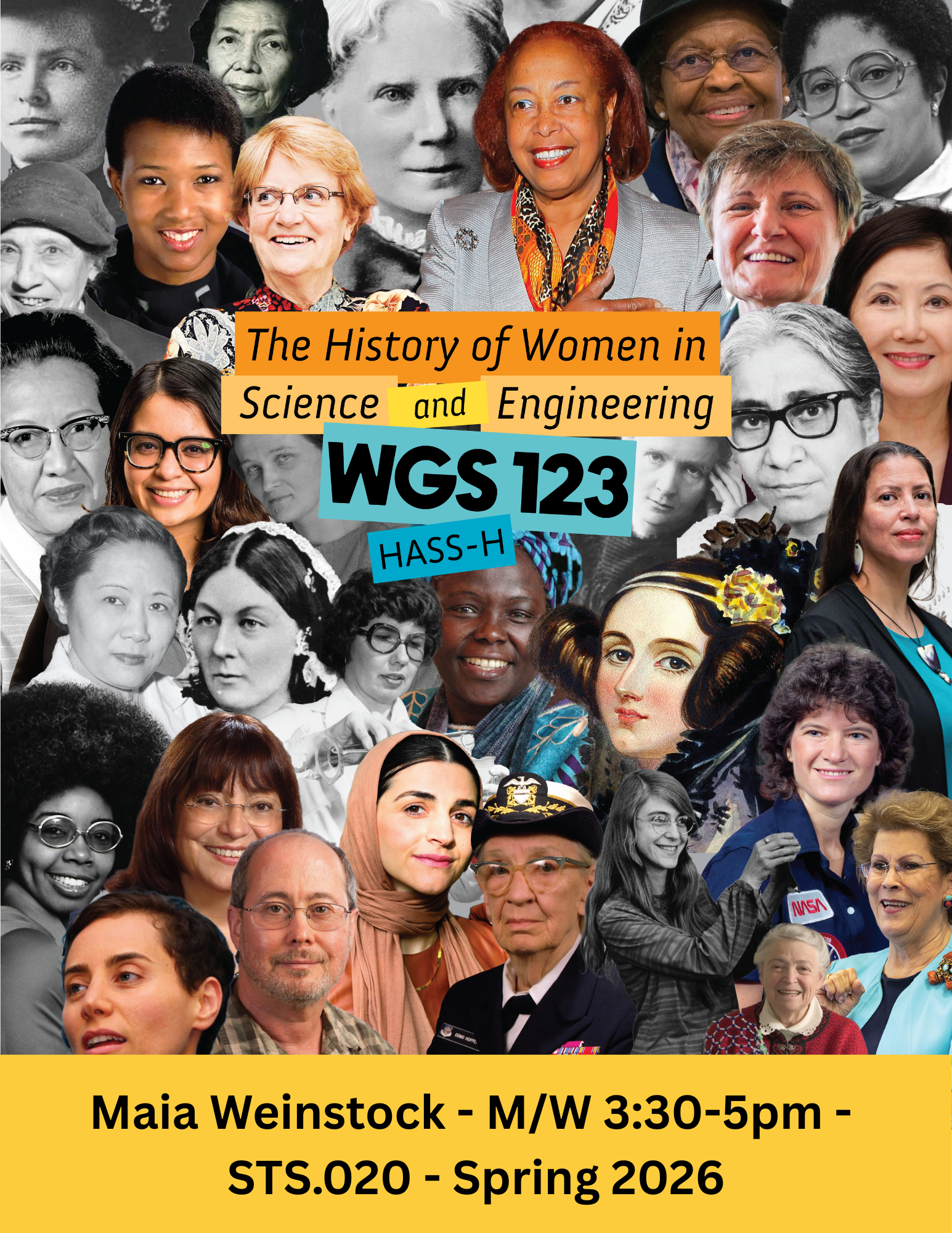
WGS.123 History of Women in Science and Engineering
Provides a basic overview of the history of women in science, technology, engineering, and mathematics (STEM). Students discuss specific contributions of women across a variety of disciplines to form a broad perspective on how these contributions played a role in the advancement of human knowledge and technological achievement. Also explores how historical sociological trends, as well as evolving representations of women and girls in media and popular culture, have helped to shape outcomes in these areas.
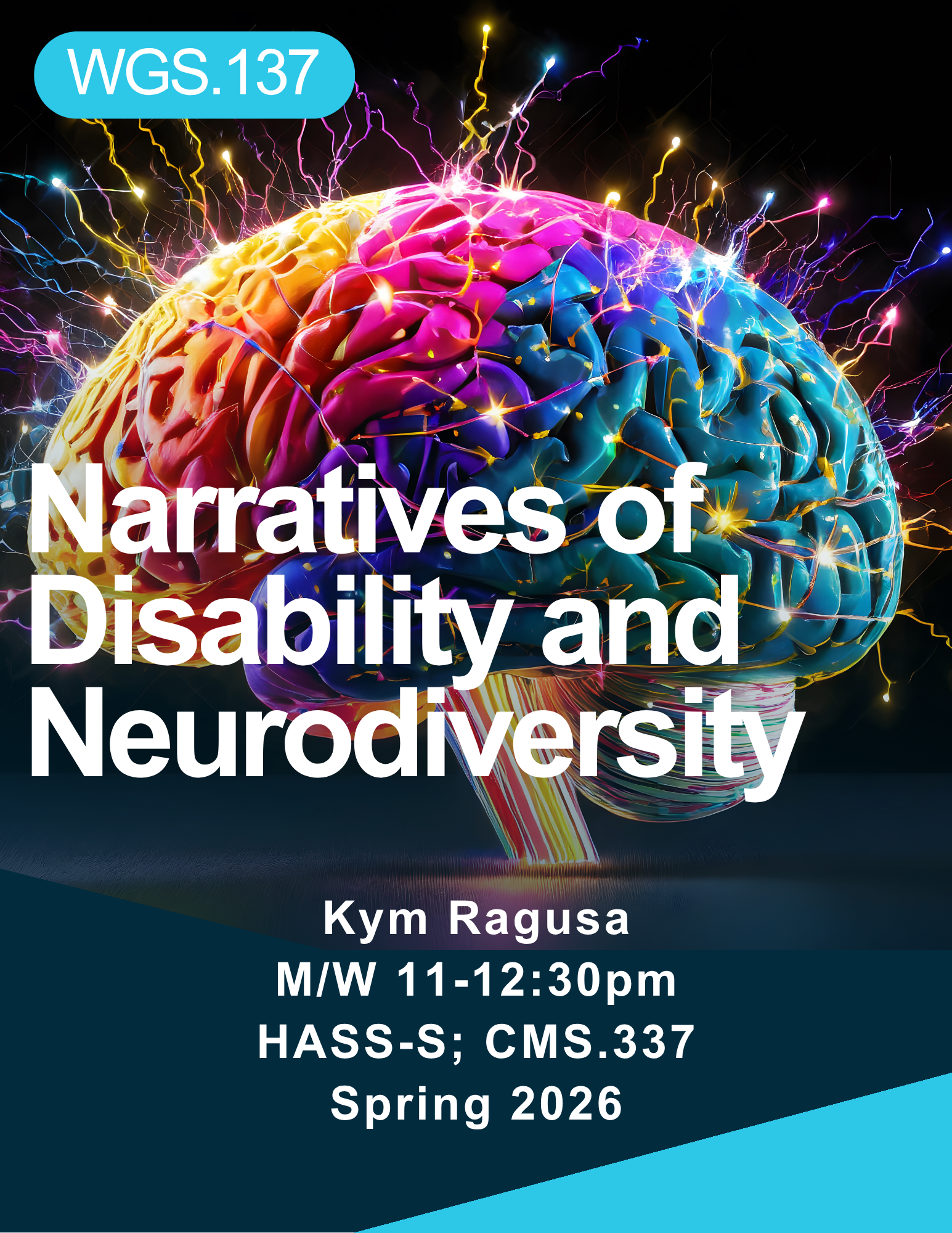
WGS.137 Narratives of Disability and Neurodiversity
Examines key theoretical concepts, texts, and other media forms by disabled and neurodivergent writers, theorists, activists, and artists. Investigates medical and social models of disability and their interconnections with race, gender, class, sexuality, age, ethnicity, etc. Uses an intersectional lens to address emerging connections between disability and the environment, investigating issues of accessibility in natural and built environments. Explores themes of visibility/invisibility, community, vulnerability, power, access, and creativity.

WGS.225 The Science of Race, Sex, and Gender
Examines the role of science and medicine in the origins and evolution of the concepts of race, sex, and gender from the 17th century to the present. Focus on how biological, anthropological, and medical concepts intersect with social, cultural, and political ideas about racial, sexual, and gender difference in the US and globally. Approach is historical and comparative across disciplines emphasizing the different modes of explanation and use of evidence in each field.
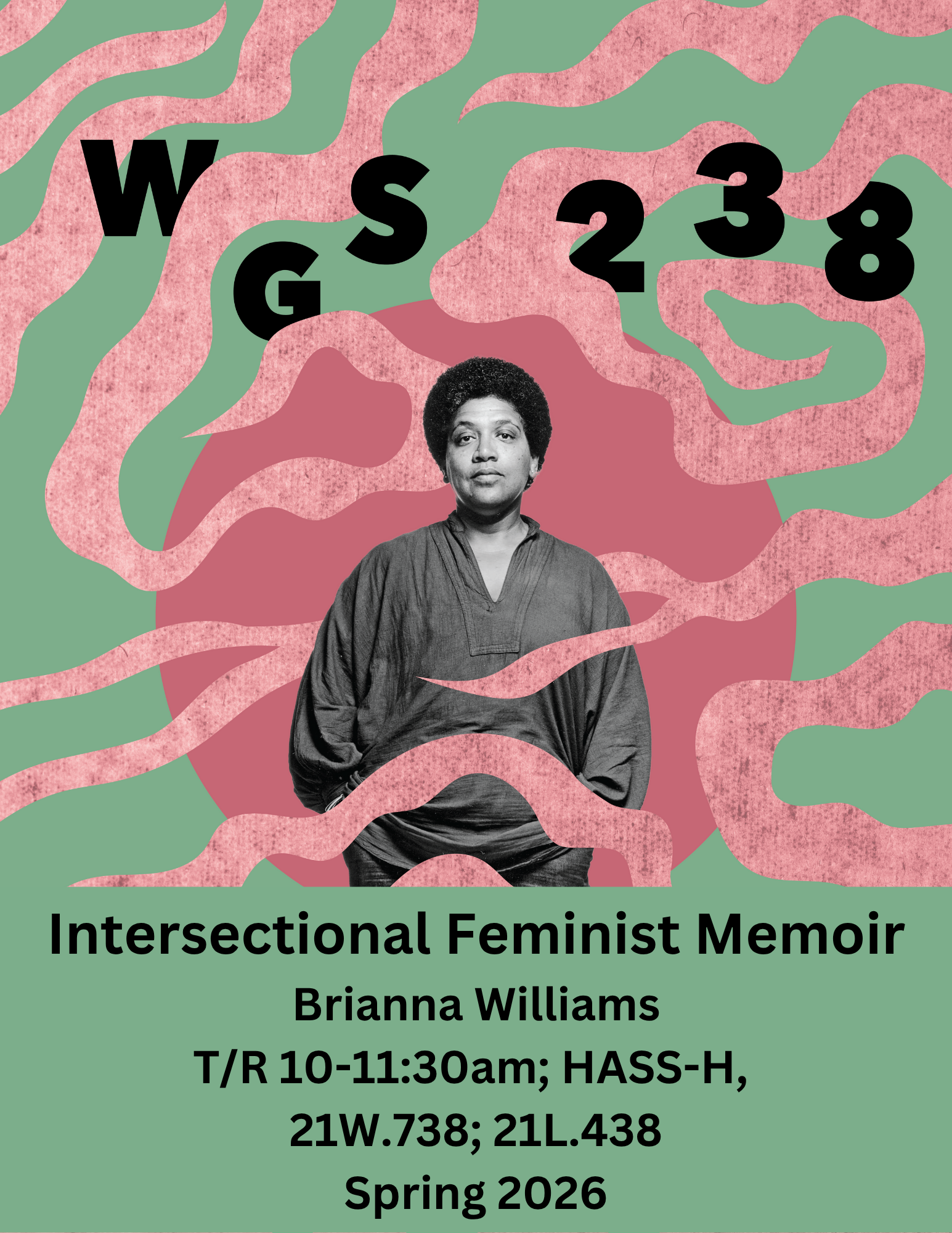
WGS.238 Intersectional Feminist Memoir
Explores the memoir genre through a feminist intersectional lens, looking at the ways in which feminist writers ground personal experience within a complex understanding of race, gender, sexuality, class, ethnicity, immigration status/nationality, and dis/ablity. Gives particular attention to the relationships between the personal and the political; form and content; fact, truth, and imagination; self and community; trauma and healing; coming to voice and breaking silence. Readings include books by Audre Lorde, Janet Mock, Daisy Hernandez, Jessica Valenti, and Ariel Gore, and shorter pieces by Meena Alexander and Leah Lakshmi Piepzna-Samarasinha. Drawing on lessons taken from these works, students write a short memoir of their own.
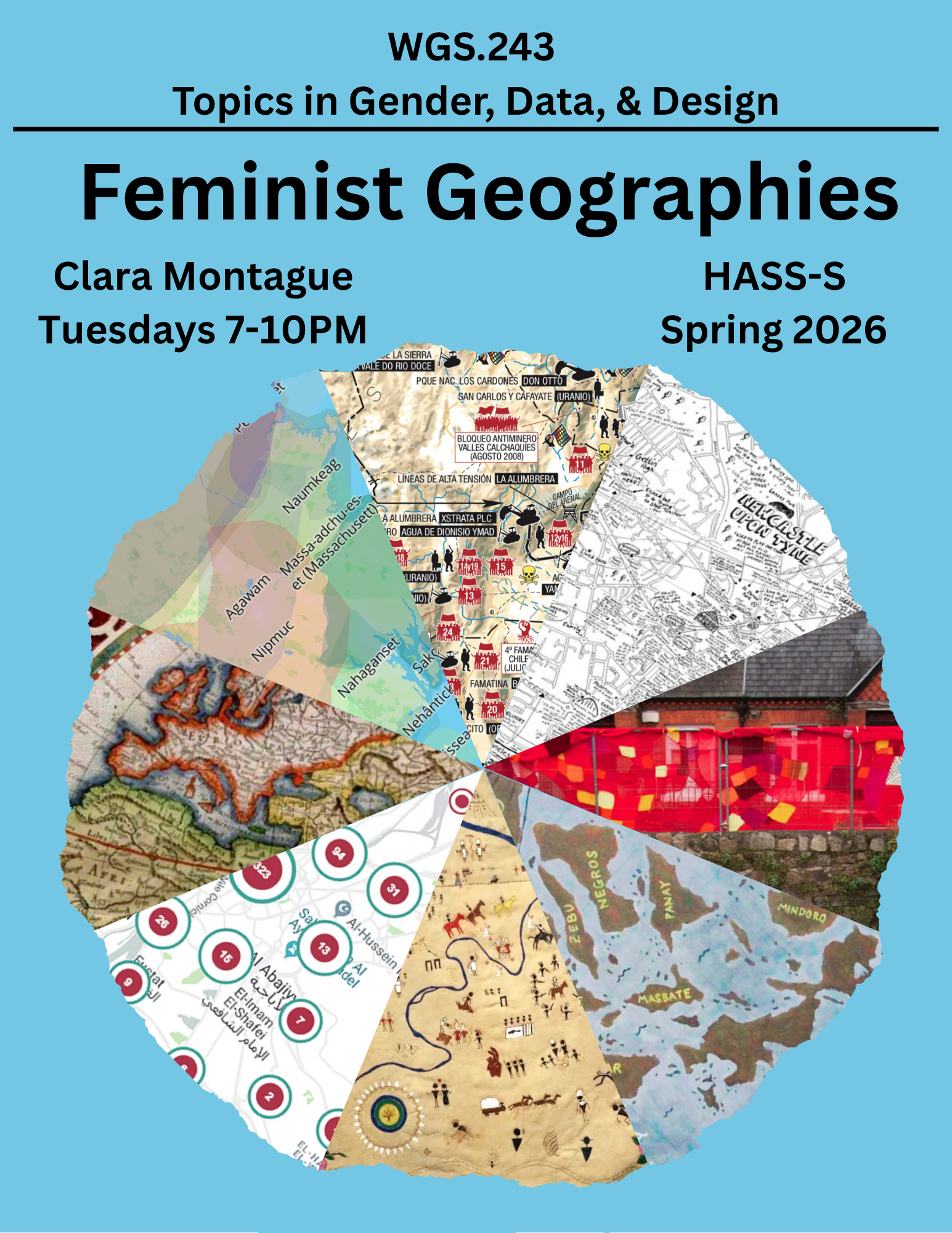
WGS.243 Topics in Gender, Data, and Design: Feminist Geographies
Explores how city design and planning impact communities, through the lens of data activism. Students develop, implement, and evaluate digital tools that support community-based organizations, addressing diverse domains such as housing, violence prevention, and environmental health. Through interactions with relevant organizations, students interpret data and explore how issues of gender, race, sexuality, disability, and other identities impact how policies, technology, and activism are employed. Specific topics vary but may include data activism in social change, production of activist data, potential pitfalls of AI, and machine learning. Prior experience with coding, visualization, mapping/GIS, or data analysis helpful but not required. May be repeated once for credit if specific topics studied differ.
WGS.260 Topics in Queer Studies
Develops critical understanding of queer theory through foundational and contemporary texts and other media forms. Examines relationships between queer theory and other social and cultural theories that probe and critique power, privilege, and normativity including critical race theory, transgender studies, feminist theory, and disability theory. Topics may include social movements, queer of color critiques, transnational activisms, and transgender politics.
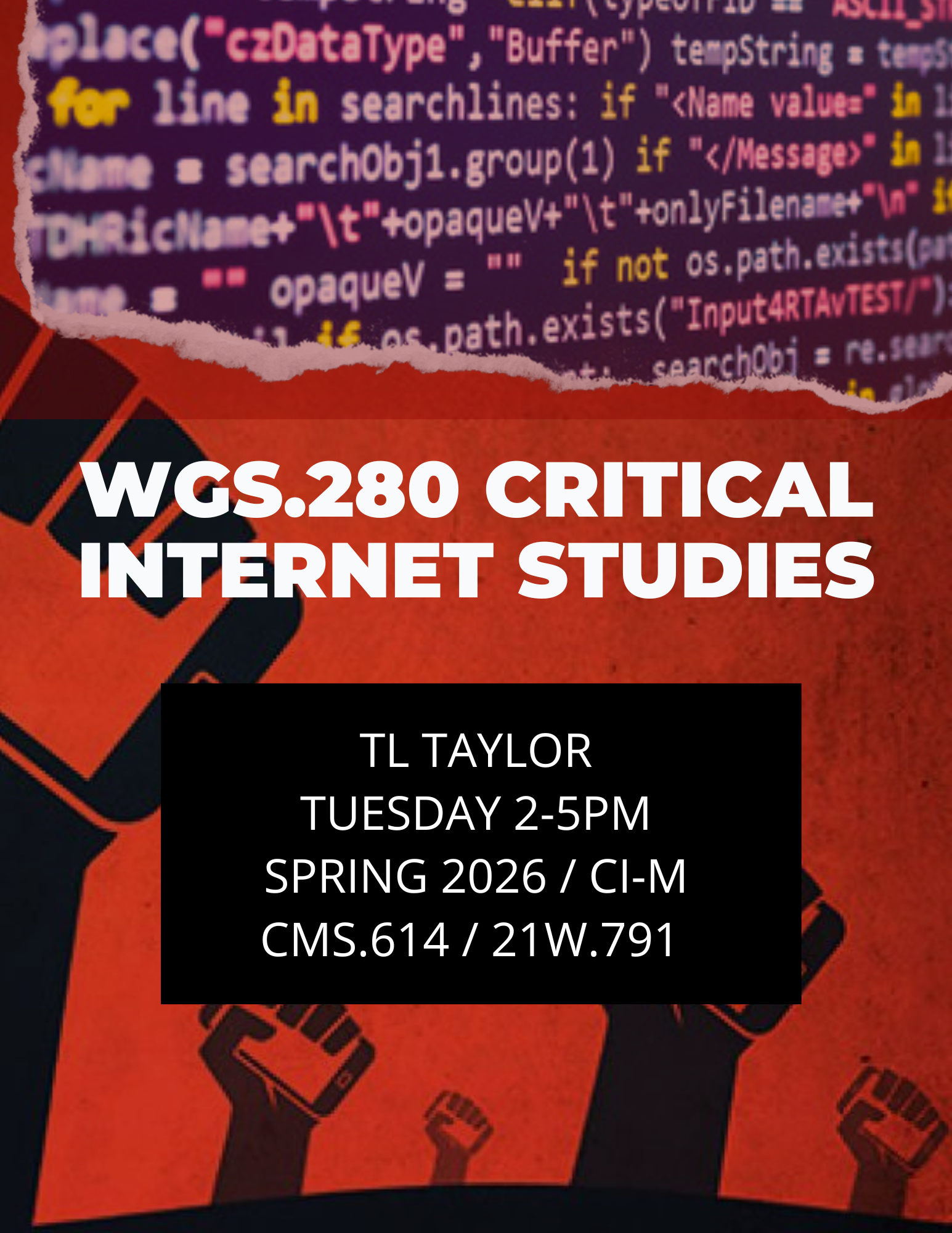
WGS.280 Critical Internet Studies
Focuses on the power dynamics in internet-related technologies (including social networking platforms, surveillance technology, entertainment technologies, and emerging media forms). Theories and readings focus on the cultural, social, economic, and political aspects of internet use and design, with a special attention to gender and race. Topics include: online communication and communities, algorithms and search engines, activism and online resistance, surveillance and privacy, content moderation and platform governance, and the spread of dis- and misinformation. Instruction and practice in written and oral communication provided. Students taking the graduate version complete additional readings and assignments.
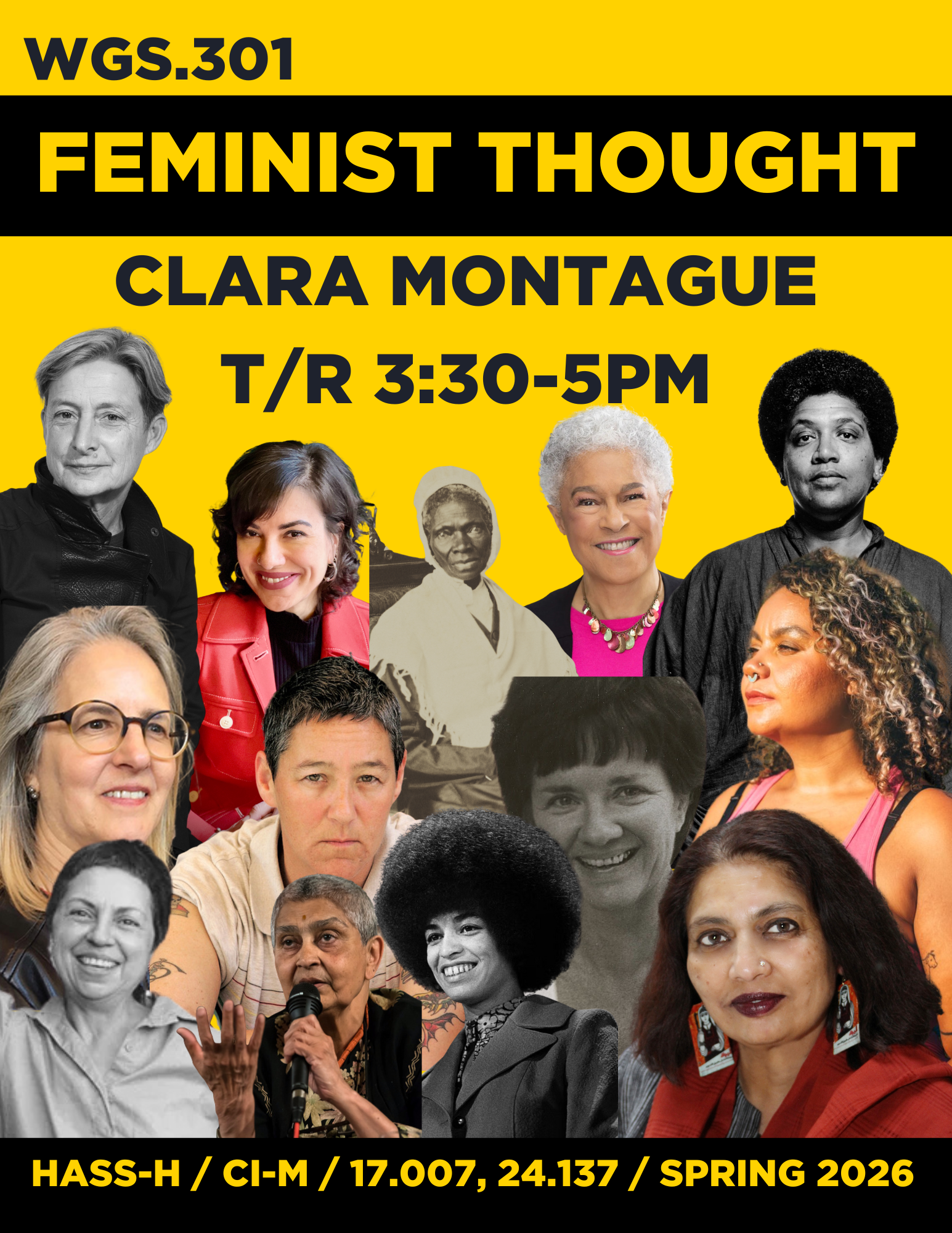
WGS.301 Feminist Thought
Analyzes theories of gender and politics, especially ideologies of gender and their construction; definitions of public and private spheres; gender issues in citizenship, the development of the welfare state, experiences of war and revolution, class formation, and the politics of sexuality. Graduate students are expected to pursue the subject in greater depth through reading and individual research.