
Subjects
Spring 2026
This course explores the intersection of race, gender, and class through a critical engagement with feminist thought from the Global South, with particular emphasis on Black feminist traditions from Brazil. Drawing on readings, lectures, and discussions, students will examine how marginalized voices—especially those from Latin America and the African diaspora—challenge and expand dominant frameworks in feminist theory. The course will highlight Brazilian Black feminist thinkers and activists whose work has reconfigured debates on democracy, colonial legacies, and social justice. Key themes include the politics of speaking from the margins, Black feminist thought, Dalit feminism, and the role of translation in shaping the circulation and reception of critical ideas across borders. By the end of the course, students will develop a deeper understanding of how feminist epistemologies from the Global South, particularly from Brazil, reshape global conversations on power, identity, and resistance.
Drawing on multiple disciplines - such as literature, history, economics, psychology, philosophy, political science, anthropology, media studies and the arts - to examine cultural assumptions about sex, gender, and sexuality. Integrates analysis of current events through student presentations, aiming to increase awareness of contemporary and historical experiences of women, and of the ways sex and gender interact with race, class, nationality, and other social identities. Students are introduced to recent scholarship on gender and its implications for traditional disciplines.
Considers a wide range of issues related to the contemporary and historical use of technology, the development of new technologies, and the cultural representation of technology, including the role women have played in the development of technology and the effect of technological change on the roles of women and ideas of gender. Discusses the social implications of technology and its understanding and deployment in different cultural contexts. Investigates the relationships between technology and identity categories, such as gender, race, class, and sexuality. Examines how technology offers possibilities for new social relations and how to evaluate them.
Explores a range of controversies about the role of technology, the nature of scientific research and the place of politics in science: debates about digital piracy and privacy, the role of activism in science, the increasingly unclear boundaries between human and non-human, the role of MRIs as courtroom evidence, the potential influence of gender on scientific research, etc. Provides exposure to science in a dynamic relation with social life and cultural ideas. Materials draw from humanities and social science research, ethnographic fieldwork, films and science podcasts, as well as from experimental multimedia. Enrollment limited.
Provides a basic overview of the history of women in science, technology, engineering, and mathematics (STEM). Students discuss specific contributions of women across a variety of disciplines to form a broad perspective on how these contributions played a role in the advancement of human knowledge and technological achievement. Also explores how historical sociological trends, as well as evolving representations of women and girls in media and popular culture, have helped to shape outcomes in these areas.
Examines key theoretical concepts, texts, and other media forms by disabled and neurodivergent writers, theorists, activists, and artists. Investigates medical and social models of disability and their interconnections with race, gender, class, sexuality, age, ethnicity, etc. Uses an intersectional lens to address emerging connections between disability and the environment, investigating issues of accessibility in natural and built environments. Explores themes of visibility/invisibility, community, vulnerability, power, access, and creativity.
In an age when algorithms smooth out our edges and platforms reward the predictable, how do writers craft voices that resist flattening? This course explores the unmistakable, often inimitable signature styles of authors such as Toni Morrison, Ralph Ellison, Franz Kafka, James Baldwin, Clarice Lispector, Gabriel García Márquez, Joan Didion, and others whose voices are so distinct that we can often easily recognize them when we encounter them on the page.
Through close reading, style mimicry experiments (including deliberate “AI misfires” as teaching moments), and creative practice, students will investigate how voice operates not as ornament, but as identity, resistance, and persuasion. The course ultimately asks: In a world that constantly sells us sameness, how do we author something unmistakably our own?
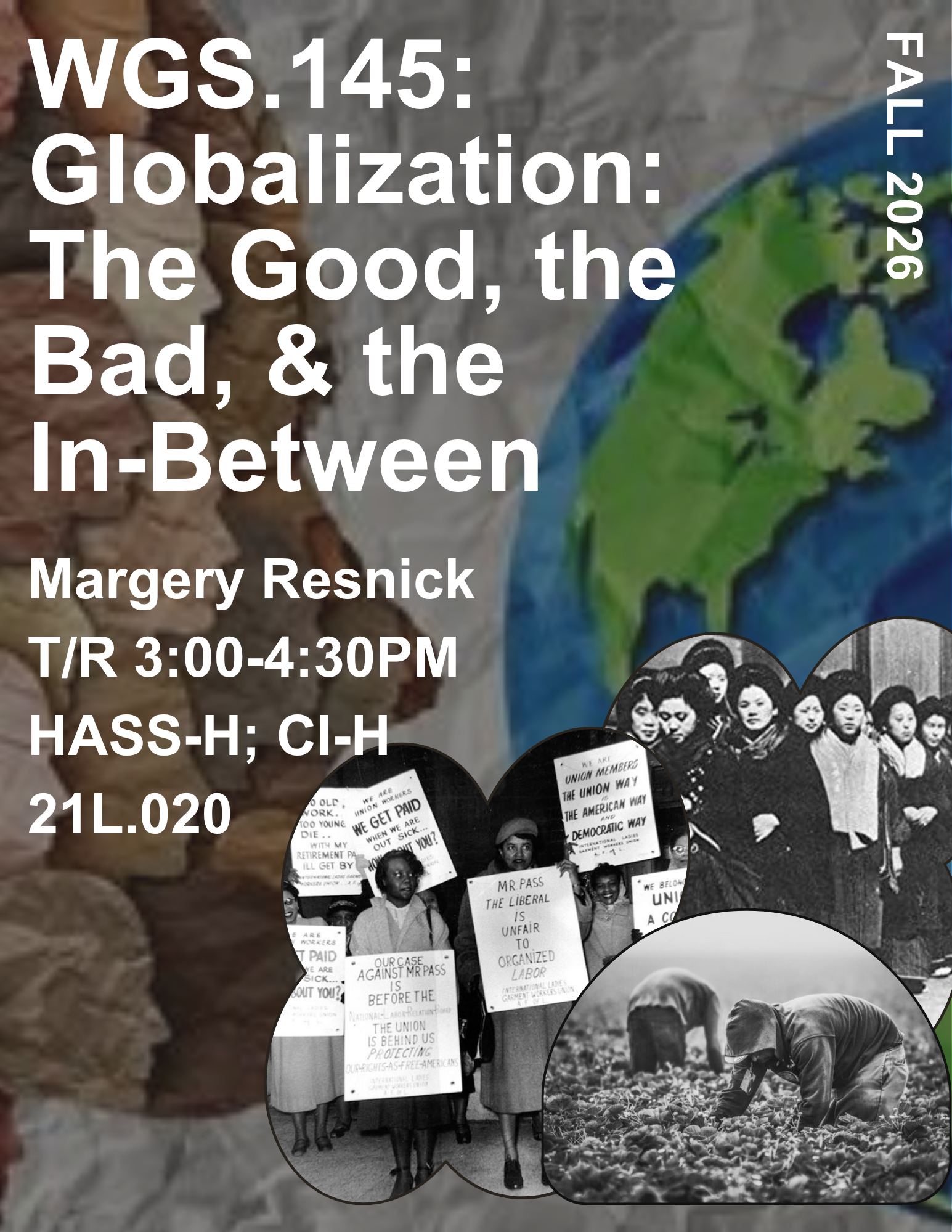
Examines the cultural paradoxes of contemporary globalization. Studies the cultural, artistic, social and political impact of globalization across international borders. Students analyze contending definitions of globalization and principal agents of change, and why some of them engender backlash; identify the agents, costs and benefits of global networks; and explore how world citizens preserve cultural specificity. Case studies on global health, human trafficking and labor migration illuminate the shaping influence of contemporary globalization on gender, race, ethnicity, and class. Develops cultural literacy through analysis of fiction and film. Enrollment limited.
Cross-cultural case studies introduce students to the anthropological study of the social institutions and symbolic meanings of family, gender, and sexuality. Investigates the different forms families and households take and considers their social, emotional, and economic dynamics. Analyzes how various expectations for, and experiences of, family life are rooted in or challenged by particular conceptions of gender and sexuality. Addresses questions surrounding what it means to be a "man" or a "woman," as well as a family member, in different social contexts.
Examines the aesthetics of the brief form across a variety of media and genres in Latin America and Spain, from short stories and snapshots to newspapers and Twitter. Explores the history and social significance of four short genres in the Hispanic world: the short story, the crónica, the poem, and the song. Discusses the rich literary and critical tradition that relates narrative length and temporality to the prose and the lyric in Spanish speaking cultures. With an emphasis on the 20th- and 21st-century epistemologies of acceleration and the remediation of literary theories of brevity, analyzes the relationship between temporality, aesthetic form, and media technologies, and the way these topics have taken shape in the imagination of writers, artists, and audiences in historically specific and politically significant contexts. Taught in Spanish.
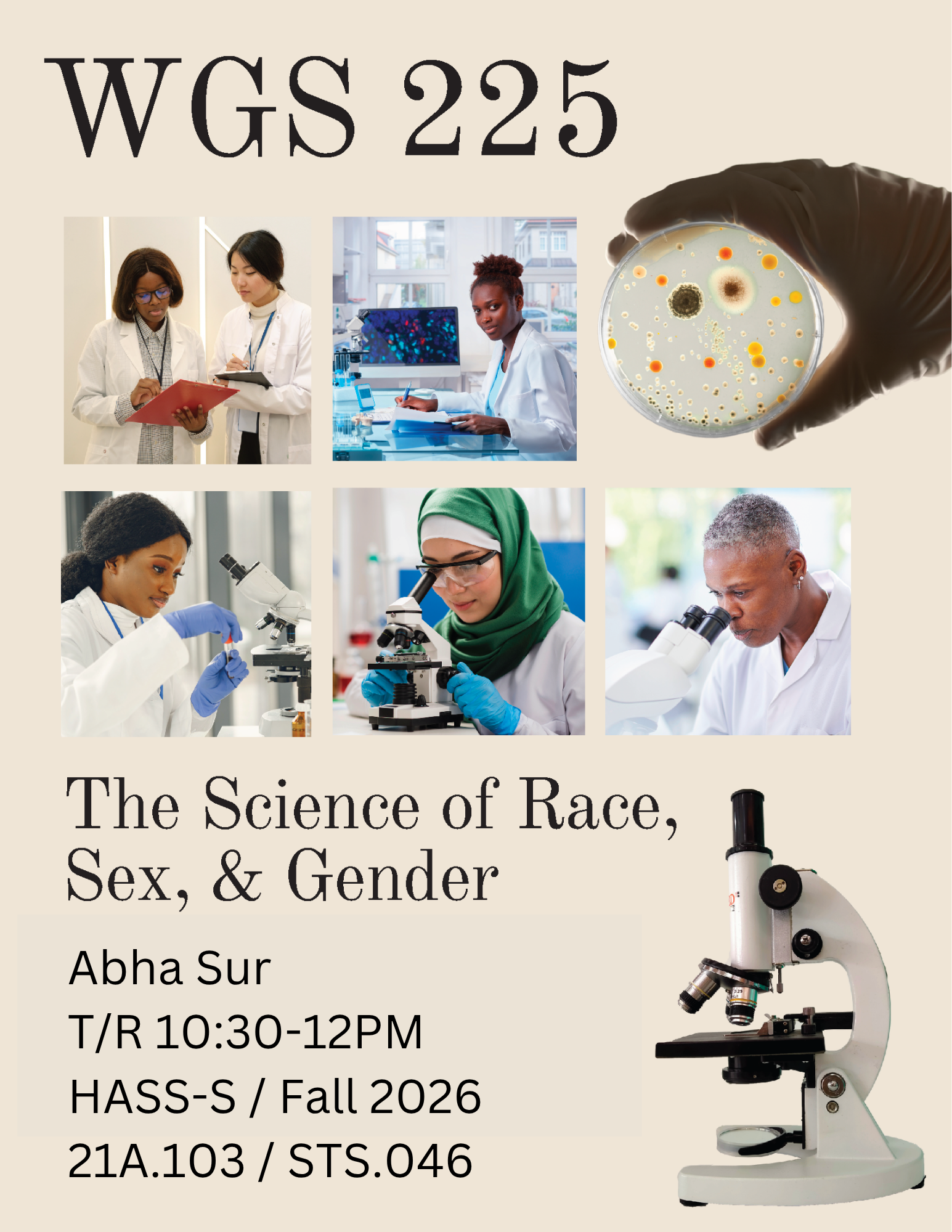
Examines the role of science and medicine in the origins and evolution of the concepts of race, sex, and gender from the 17th century to the present. Focus on how biological, anthropological, and medical concepts intersect with social, cultural, and political ideas about racial, sexual, and gender difference in the US and globally. Approach is historical and comparative across disciplines emphasizing the different modes of explanation and use of evidence in each field.
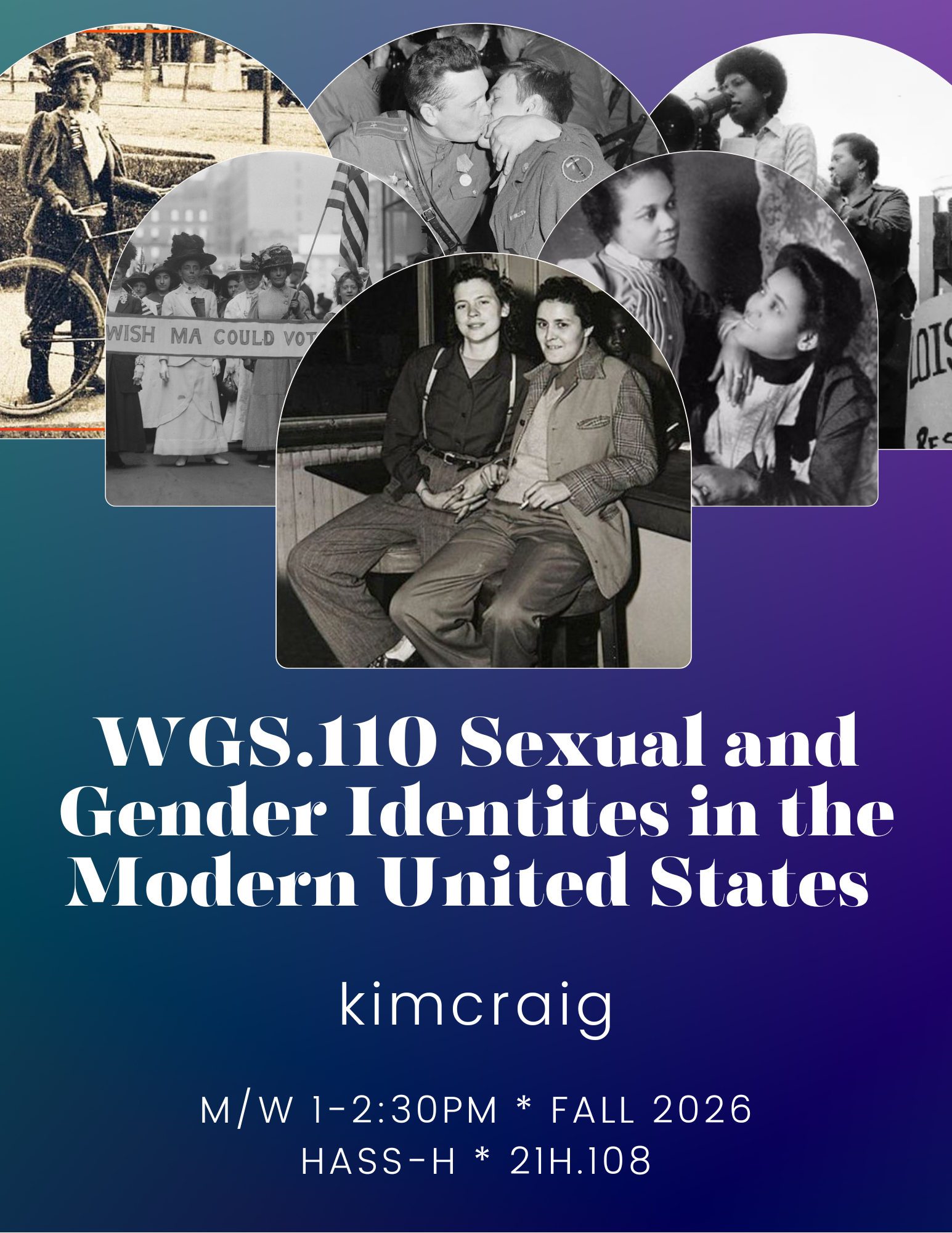
The issue of race and racial identity have preoccupied many writers throughout the history of the US. Students read Jessica Abel, Diana Abu-Jaber, Lynda Barry, Felicia Luna Lemus, James McBride, Sigrid Nunez, Ruth Ozeki, Danzy Senna, Gloria Anzaldua, Judith Ortiz Cofer, Carmit Delman, Stefanie Dunning, Cherrie Moraga, Hiram Perez and others, and consider the story of race in its peculiarly American dimensions. The reading, along with the writing of members of the class, is the focus of class discussions. Oral presentations on subjects of individual interest are also part of the class activities. Students explore race and ethnicity in personal essays, pieces of cultural criticism or analysis, or (with permission of instructor) fiction. All written work is read and responded to in class workshops and subsequently revised. Enrollment limited.
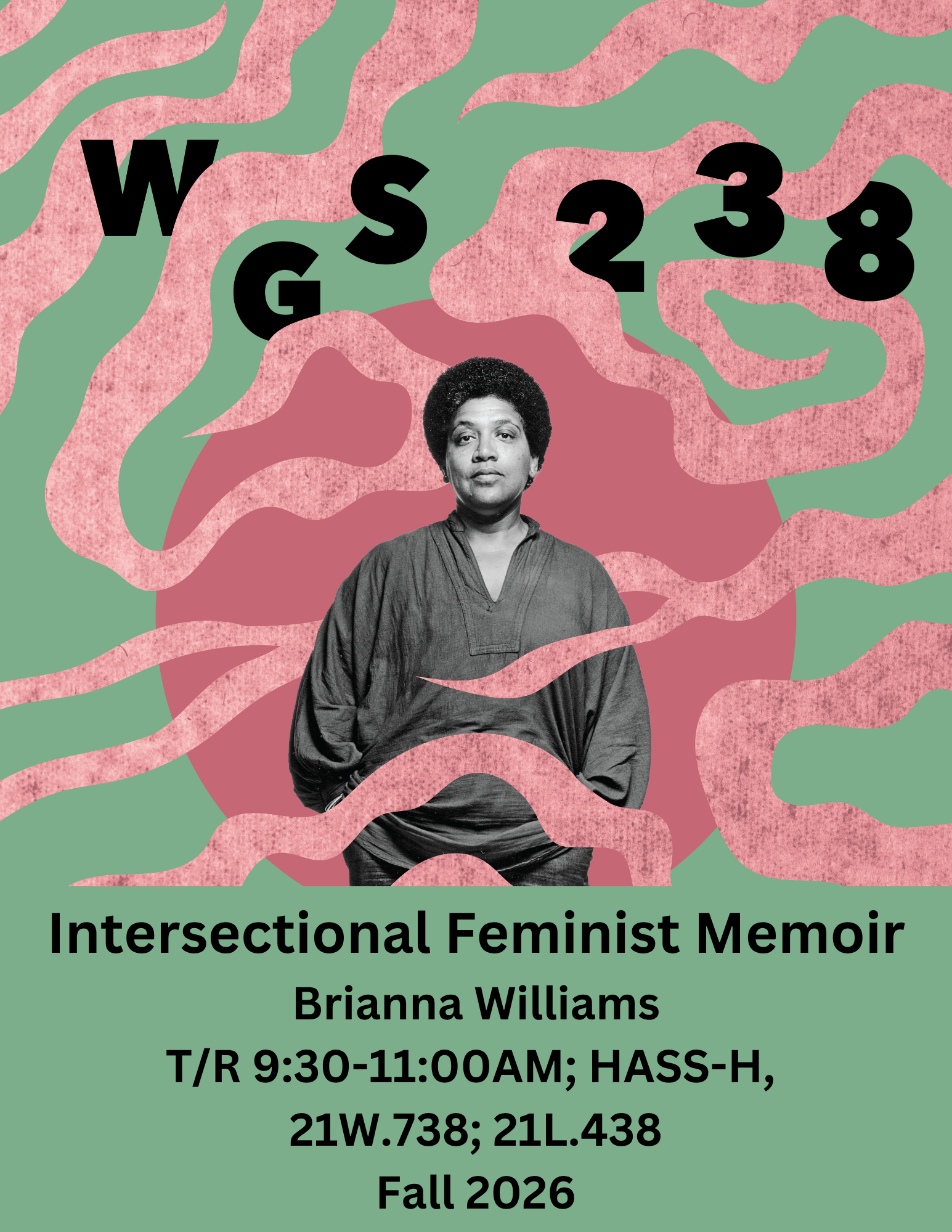
Explores the memoir genre through a feminist intersectional lens, looking at the ways in which feminist writers ground personal experience within a complex understanding of race, gender, sexuality, class, ethnicity, immigration status/nationality, and dis/ablity. Gives particular attention to the relationships between the personal and the political; form and content; fact, truth, and imagination; self and community; trauma and healing; coming to voice and breaking silence. Readings include books by Audre Lorde, Janet Mock, Daisy Hernandez, Jessica Valenti, and Ariel Gore, and shorter pieces by Meena Alexander and Leah Lakshmi Piepzna-Samarasinha. Drawing on lessons taken from these works, students write a short memoir of their own.
Explores how city design and planning impact communities, through the lens of data activism. Students develop, implement, and evaluate digital tools that support community-based organizations, addressing diverse domains such as housing, violence prevention, and environmental health. Through interactions with relevant organizations, students interpret data and explore how issues of gender, race, sexuality, disability, and other identities impact how policies, technology, and activism are employed. Specific topics vary but may include data activism in social change, production of activist data, potential pitfalls of AI, and machine learning. Prior experience with coding, visualization, mapping/GIS, or data analysis helpful but not required. May be repeated once for credit if specific topics studied differ.
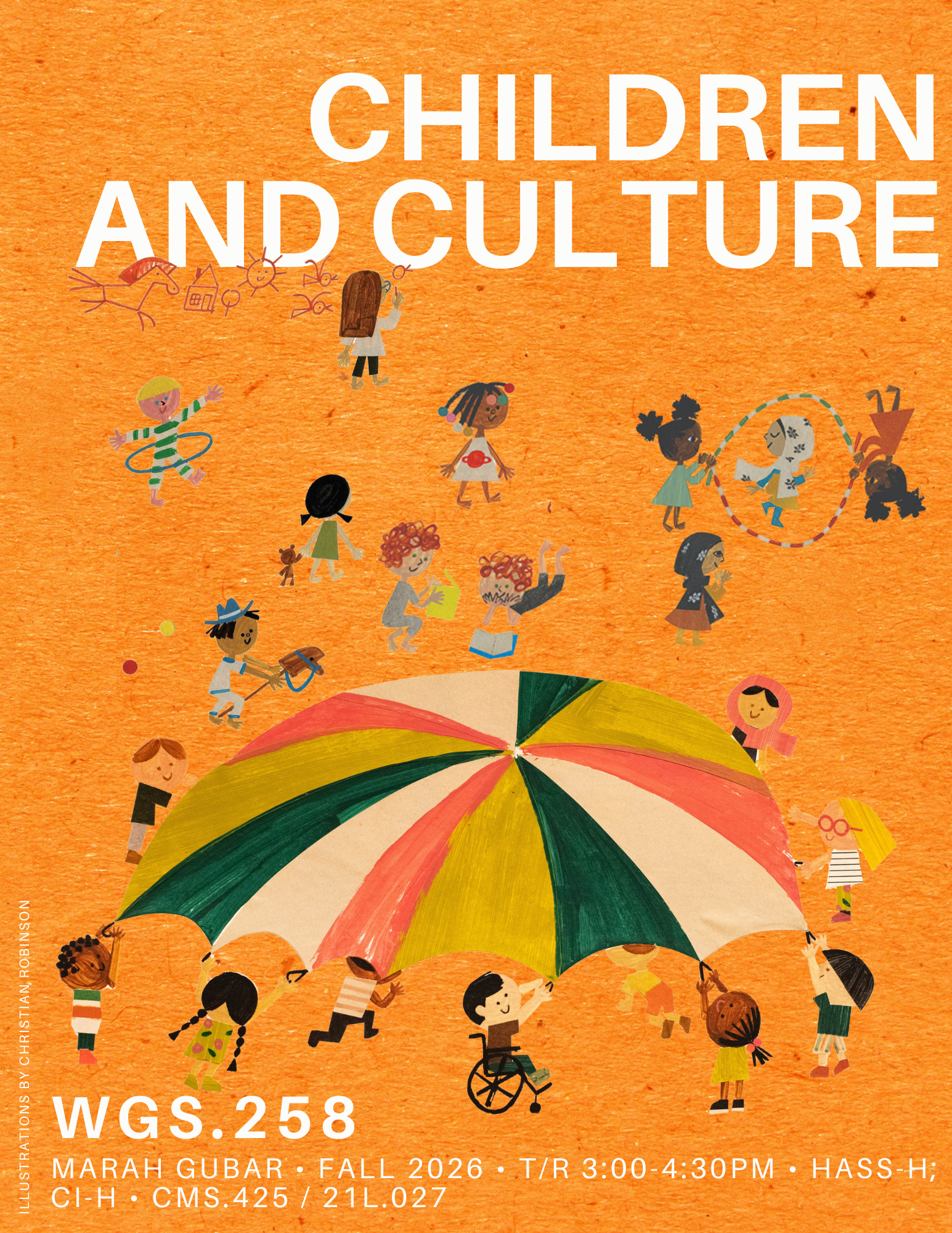
Explores the relationship between children and the culture they inhabit in a particular time and place. Invites students to analyze in detail the image of childhood that emerges from many different media, including novels, children's literature, drama, film, television, dance, and popular song. Encourages students to take an interdisciplinary "childhood studies" approach to youth culture that incorporates insights from literary and media studies, women's and gender studies, and the history and philosophy of childhood. Enrollment limited.
Develops critical understanding of queer theory through foundational and contemporary texts and other media forms. Examines relationships between queer theory and other social and cultural theories that probe and critique power, privilege, and normativity including critical race theory, transgender studies, feminist theory, and disability theory. Topics may include social movements, queer of color critiques, transnational activisms, and transgender politics.
Introduces students to gender, sex, and sexuality in the ancient world. Focuses on ancient Greece, with comparative consideration of Roman and ancient Jewish cultures. Emphasizes the historical construction of gender and sexual identities and how they intersect with other cultural and political structures. Topics include the mythological origins of gender difference, medical and scientific theories of sex, philosophical perspectives on sexuality, homoeroticism and queer attachments, and legal and social control of gendered bodily functions. Readings include ancient literary, legal, philosophical, and scientific texts as well as modern scholarship. One field trip to the Museum of Fine Arts is required.
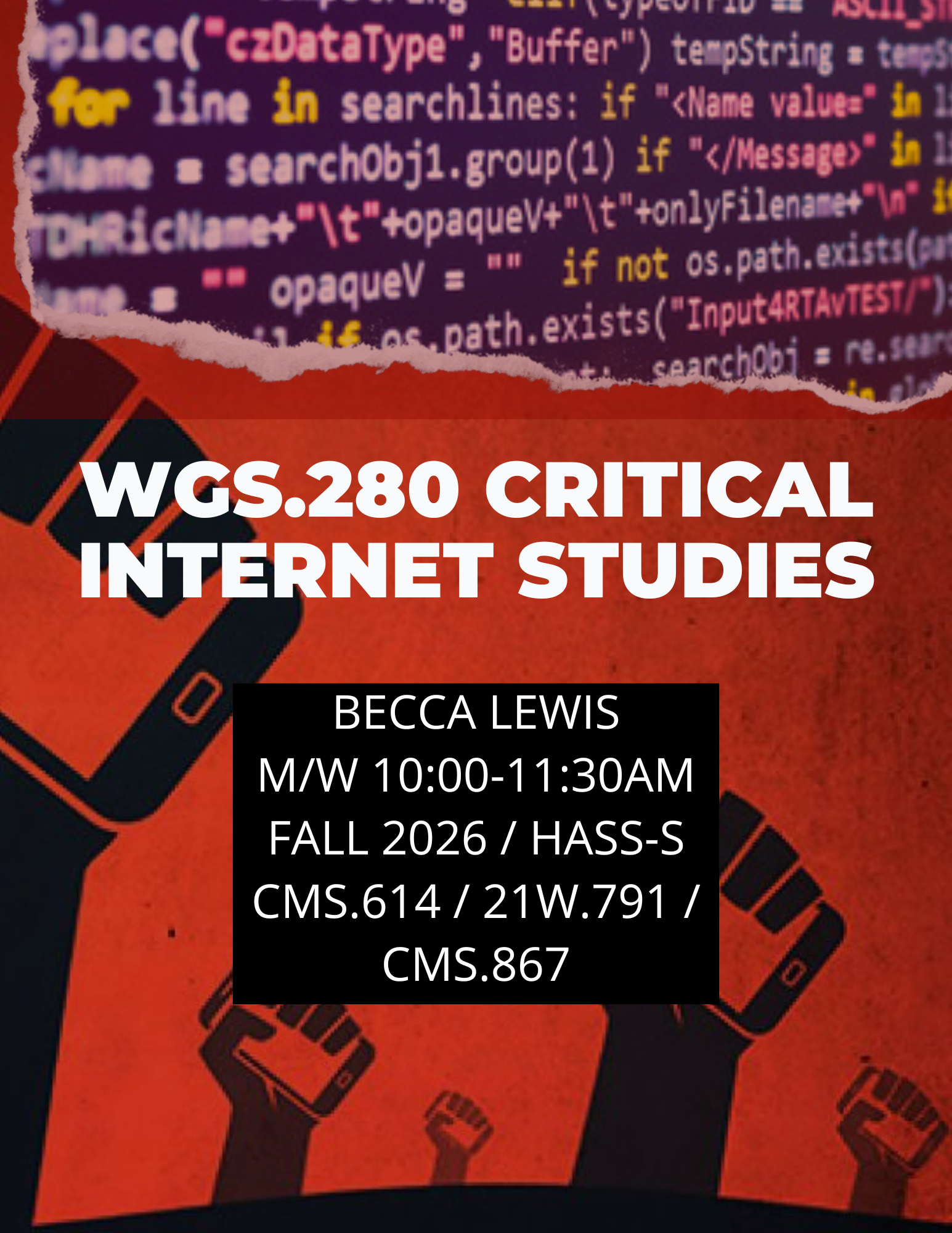
Focuses on the power dynamics in internet-related technologies (including social networking platforms, surveillance technology, entertainment technologies, and emerging media forms). Theories and readings focus on the cultural, social, economic, and political aspects of internet use and design, with a special attention to gender and race. Topics include: online communication and communities, algorithms and search engines, activism and online resistance, surveillance and privacy, content moderation and platform governance, and the spread of dis- and misinformation. Instruction and practice in written and oral communication provided. Students taking the graduate version complete additional readings and assignments.
Explores major modern plays with special attention to performance, sociopolitical and aesthetic contexts, and the role of theater in the contemporary multimedial landscape. Includes analysis of class, gender, and race as modes of performance. Typically features Beckett and Brecht, as well as some of the following playwrights: Chekov, Churchill, Deavere Smith, Ibsen, Fornes, Friel, Kushner, O'Neill, Shaw, Stoppard, Soyinka, Williams, Wilson. May be repeated for credit with permission of instructor if content differs.
Analyzes theories of gender and politics, especially ideologies of gender and their construction; definitions of public and private spheres; gender issues in citizenship, the development of the welfare state, experiences of war and revolution, class formation, and the politics of sexuality. Graduate students are expected to pursue the subject in greater depth through reading and individual research.
Examines the definition of gender in scientific, societal, and historical contexts. Explores how gender influences state formation and the work of the state, what role gender plays in imperialism and in the welfare state, the ever-present relationship between gender and war, and different states' regulation of the body in gendered ways at different times. Investigates new directions in the study of gender as historians, anthropologists and others have taken on this fascinating set of problems. Students taking graduate version complete additional assignments.
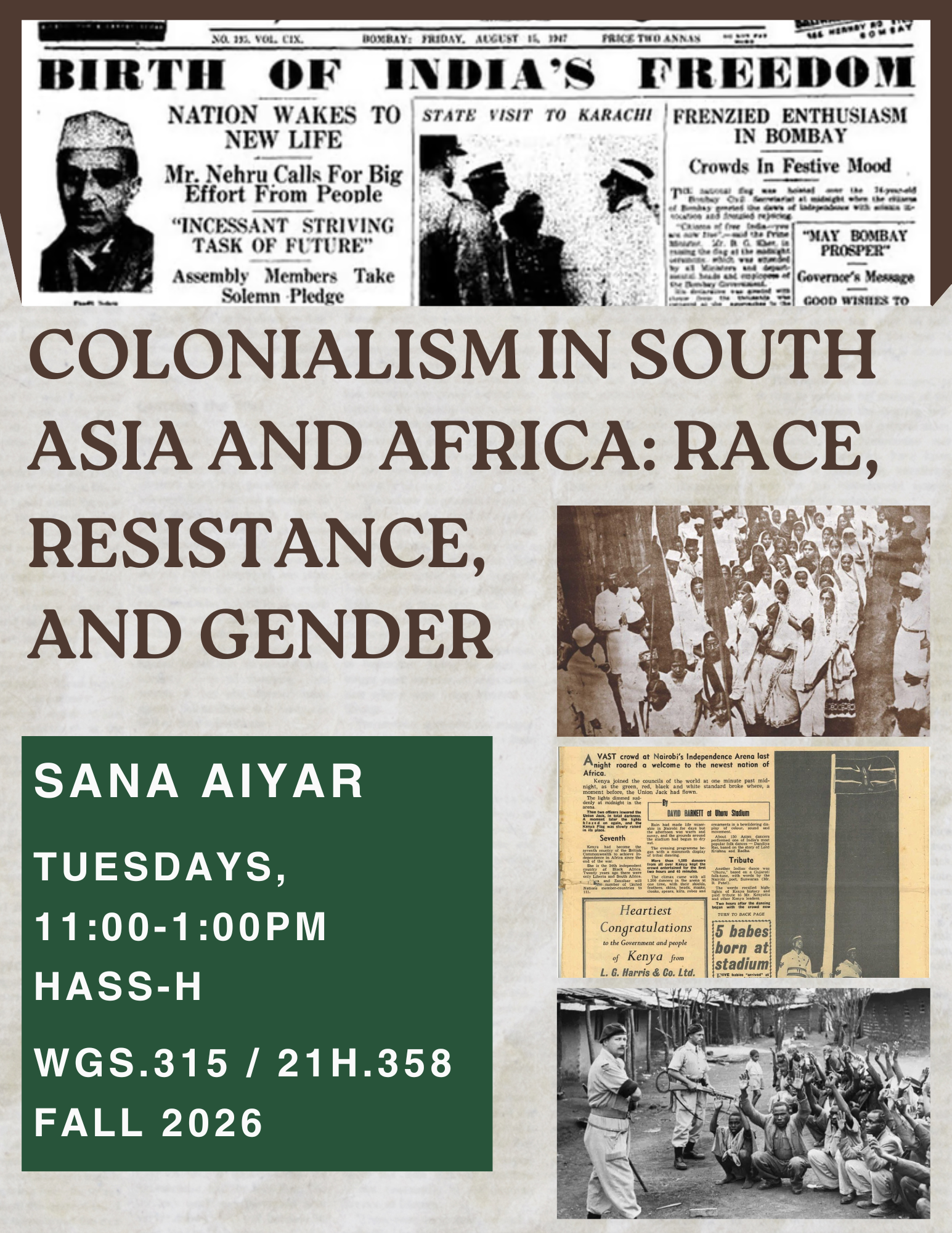
Provides a comparative perspective on the history of colonialism in India and Africa. Explores the political, social, and economic changes brought about by colonial rule. Discusses the international context for the emergence of European Imperialism in the 19th century; the nature of early colonial expansion and consolidation; the re-invention of tradition in colonial societies, especially with regard to racial and ethnic identity, gender, religion, and caste; and expressions of anti-colonial resistance. Students taking graduate version complete additional assignments.
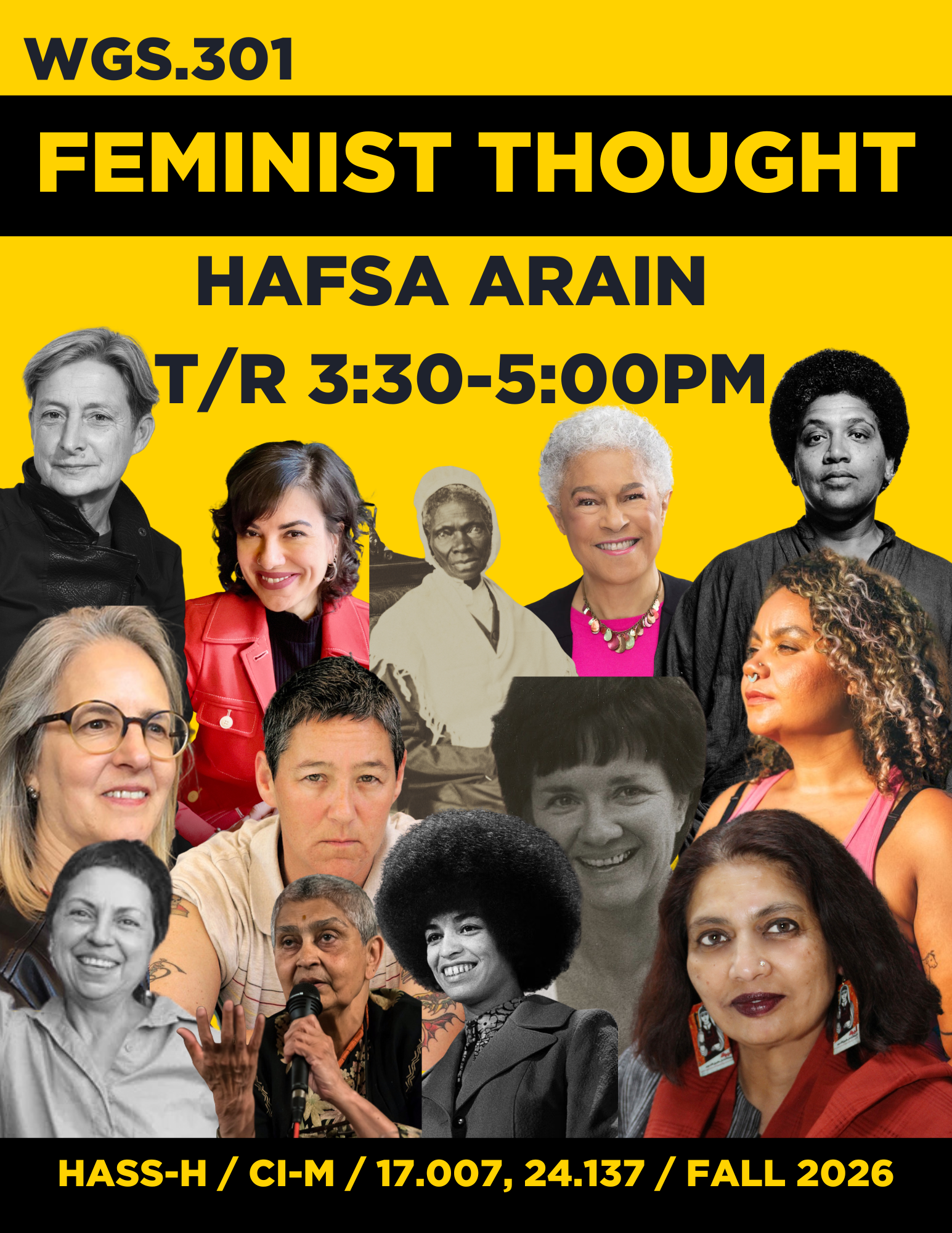
IAP 2026
Based in São Paulo, this course examines the relationship between race and place in the formation of modern Brazil and the U.S. through comparative analysis and interdisciplinary study of literature, film, visual art, music, and performances.
We will visit key cultural and historical sites; interact with archives and museum collections; and, most importantly, engage in dialogue with local scholars, religious leaders, community organizers, and activists.
Issues explored in the course materials and on-site activities include the legacy of transatlantic slavery, indigenous dispossession, urban segregation, environmental racism, and reparations. Focusing on the work of Black and Indigenous people, particularly women, the course places a strong emphasis on the ways in which art and cultural activism can have an impact on racial justice issues.
Fall 2025
This special subject course examines the history of Women’s and Gender Studies at MIT with a focus on documenting its origins as well as its impact. Amid escalating backlash against efforts to diversify higher education, we utilize lessons from the past to chart a sustainable path forward for academic feminism both on our own campus and worldwide. The class explores key debates in WGS around intersectionality, interdisciplinarity, and institutionalization that have informed the process of curricular change. Students will also develop their own research projects informed by feminist methods, with opportunities to practice conducting interviews, managing archival data, and designing digital exhibits.
Addresses topics such as the development of abortion law in the US and around the world, ethics of abortion and forcible pregnancy, pro- and anti-abortion activism, economics of abortion, and terms related to abortion, including reproductive justice, reproductive rights, bodily autonomy, and fetal politics. Tackles questions including how different societies at different times have approached the question of the removal of a fetus from a human body, who are (or should be) stakeholders in making the decision to deliberately terminate a pregnancy or ban such a decision, and whether abortion was always a "question" that different groups and individuals discussed, evaluated, and regulated. Encourages students to think about this issue in historical context to help them form analytically sound arguments.
Analyzes theories of gender and politics, especially ideologies of gender and their construction; definitions of public and private spheres; gender issues in citizenship, the development of the welfare state, experiences of war and revolution, class formation, and the politics of sexuality. Graduate students are expected to pursue the subject in greater depth through reading and individual research.
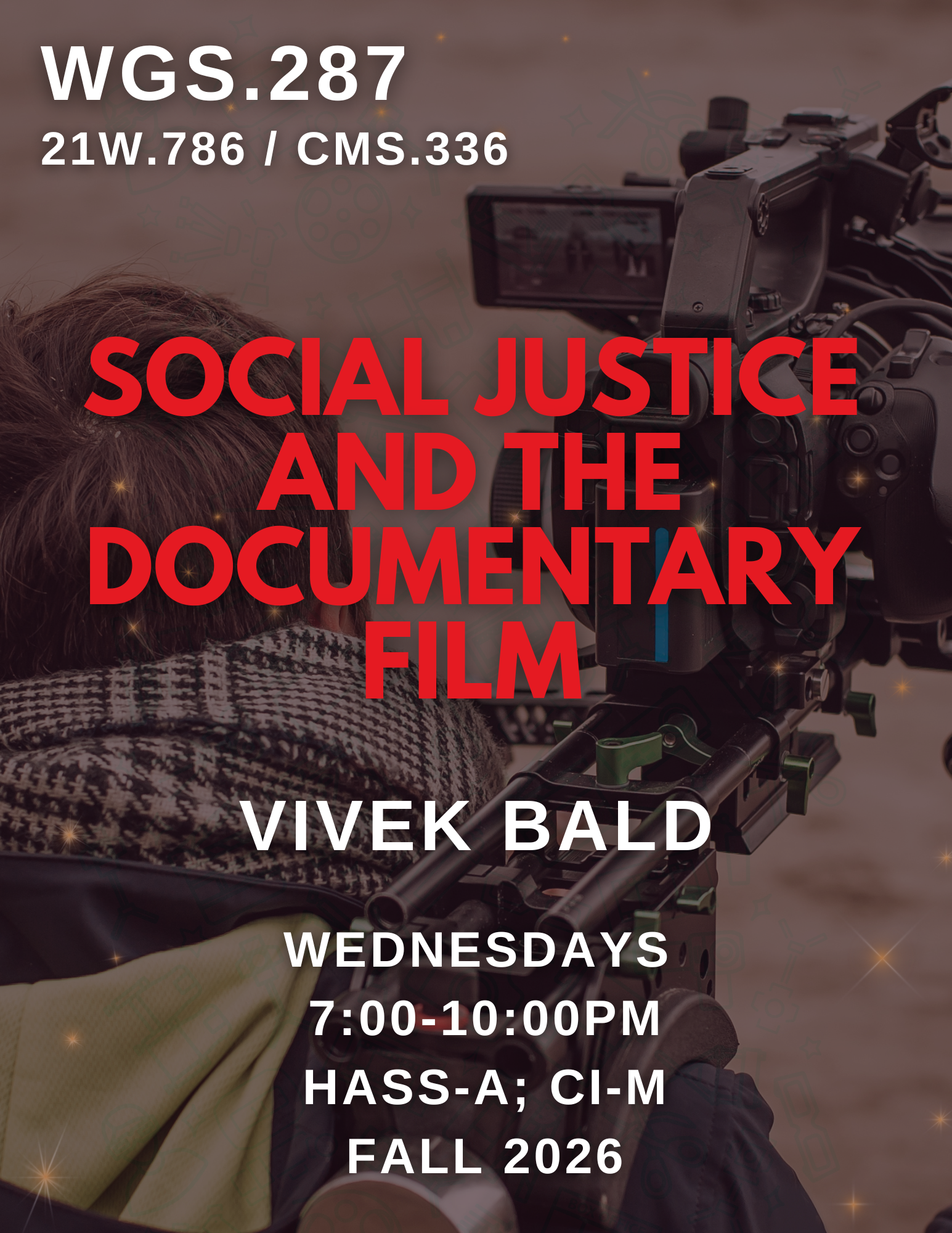
Focuses on the power dynamics in internet-related technologies (including social networking platforms, surveillance technology, entertainment technologies, and emerging media forms). Theories and readings focus on the cultural, social, economic, and political aspects of internet use and design, with a special attention to gender and race. Topics include: online communication and communities, algorithms and search engines, activism and online resistance, surveillance and privacy, content moderation and platform governance, and the spread of dis- and misinformation. Instruction and practice in written and oral communication provided. Students taking the graduate version complete additional readings and assignments.
Examines various intersections of health and disability studies within a framework of gender and sexuality studies, critical race theory, geography, decolonized psychology, and cultural studies. Topics vary each year; examples include carceral states, social categorizations of populations, historical and literary studies, and healthcare.
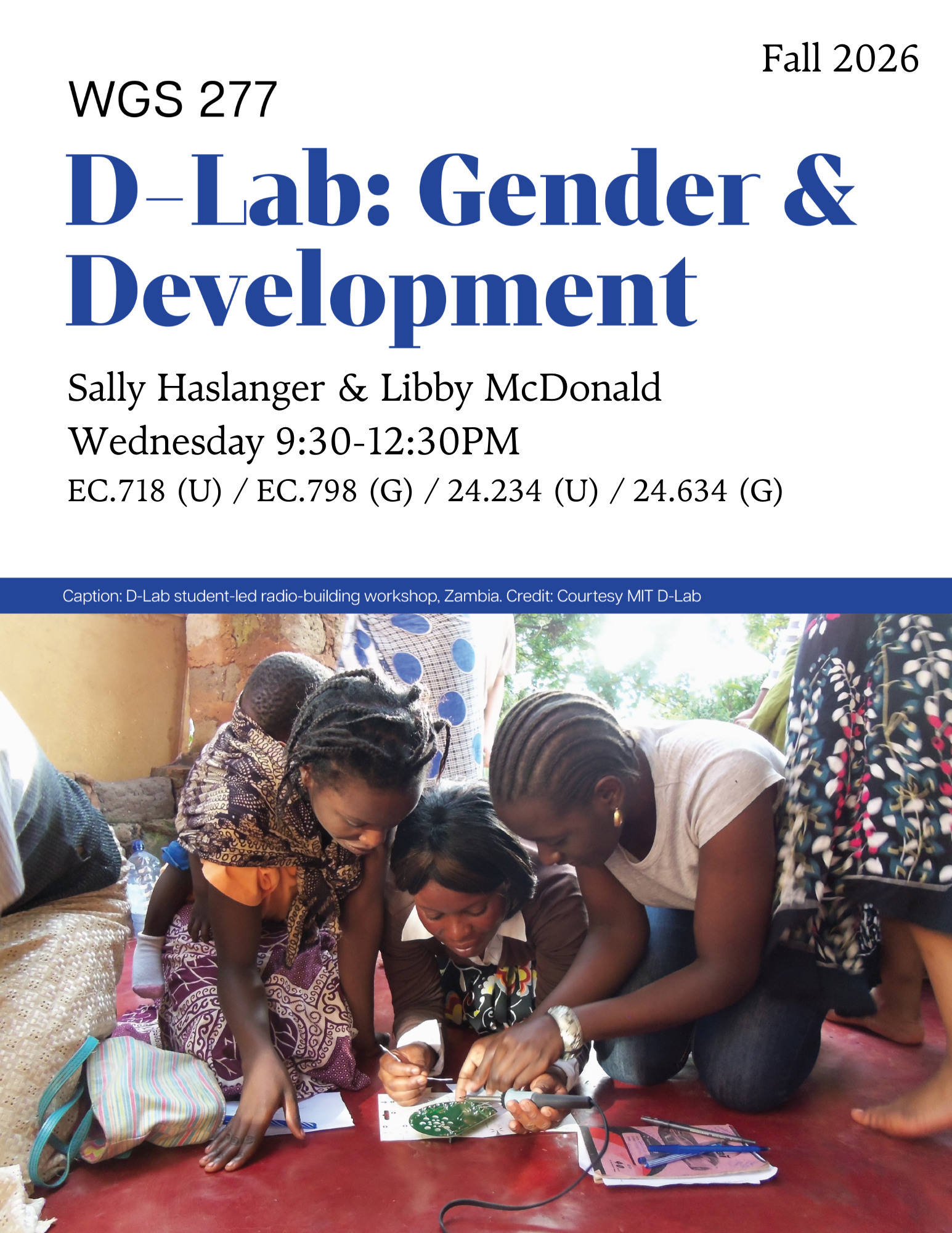
Addresses challenges in working towards global justice including poverty, food and water insecurity, healthcare disparities, human rights violations, violence and dislocation, and environmental risk. Focuses on gender and identity, locating the root causes of inequality within cultural, political and economic contexts. Designed to give a framework to understand gender dynamics. Teaches how to integrate gender sensitive strategies into development work. Classes, readings, and final projects illustrate how design and implementation of international development strategies can provide capacity building and income generation opportunities. Meets with EC.718 when offered concurrently. Students taking graduate version complete additional assignments. Limited to 20 total for versions meeting together.
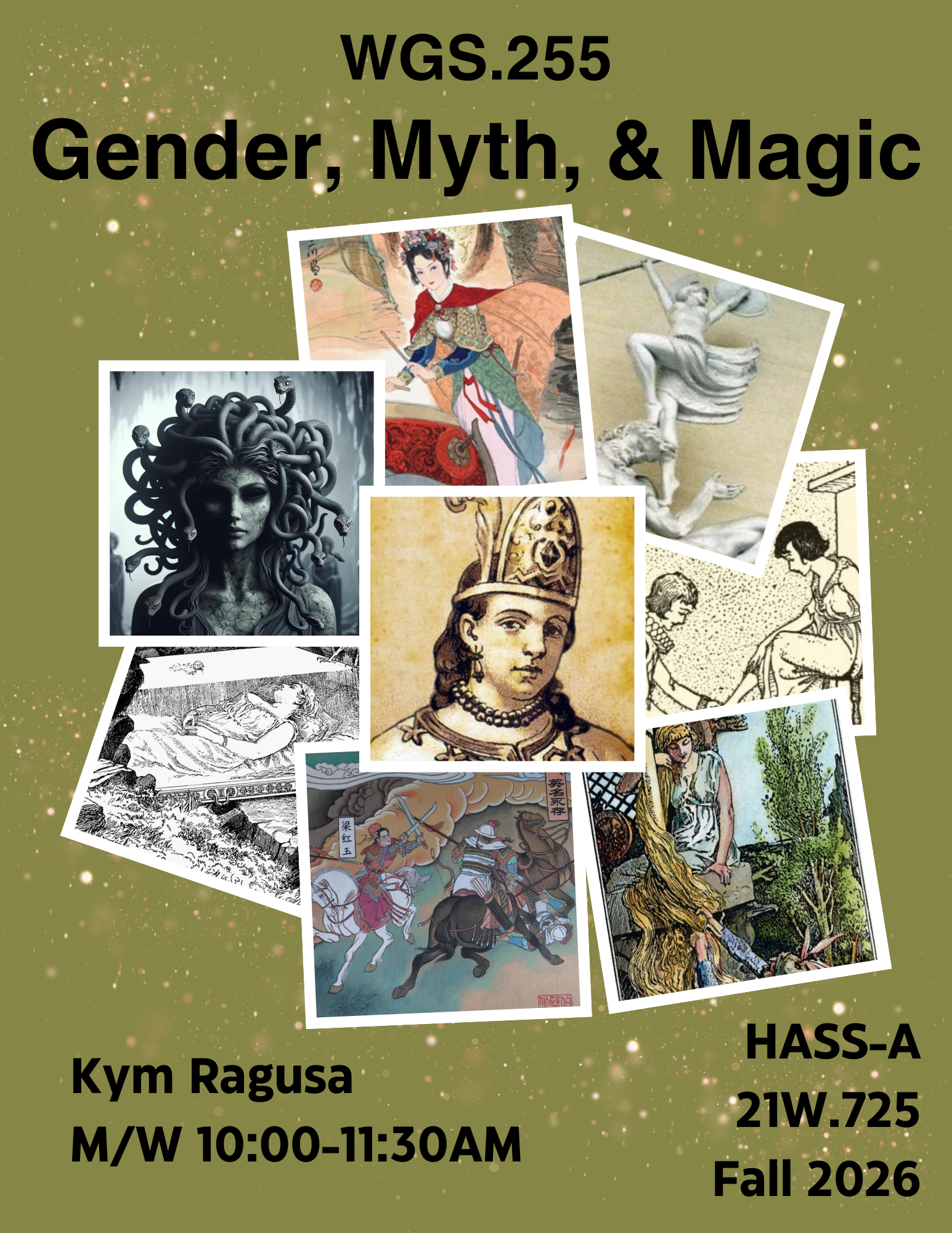
Explores ways contemporary writers re-imagine myth and fairy tales through lens of gender and sexuality. Examines how old stories can be retold to resonate with issues of power, violence, courage, resistance, identity, community, silence, and voice. Students complete writing project where they re-imagine a myth or fairy tale.
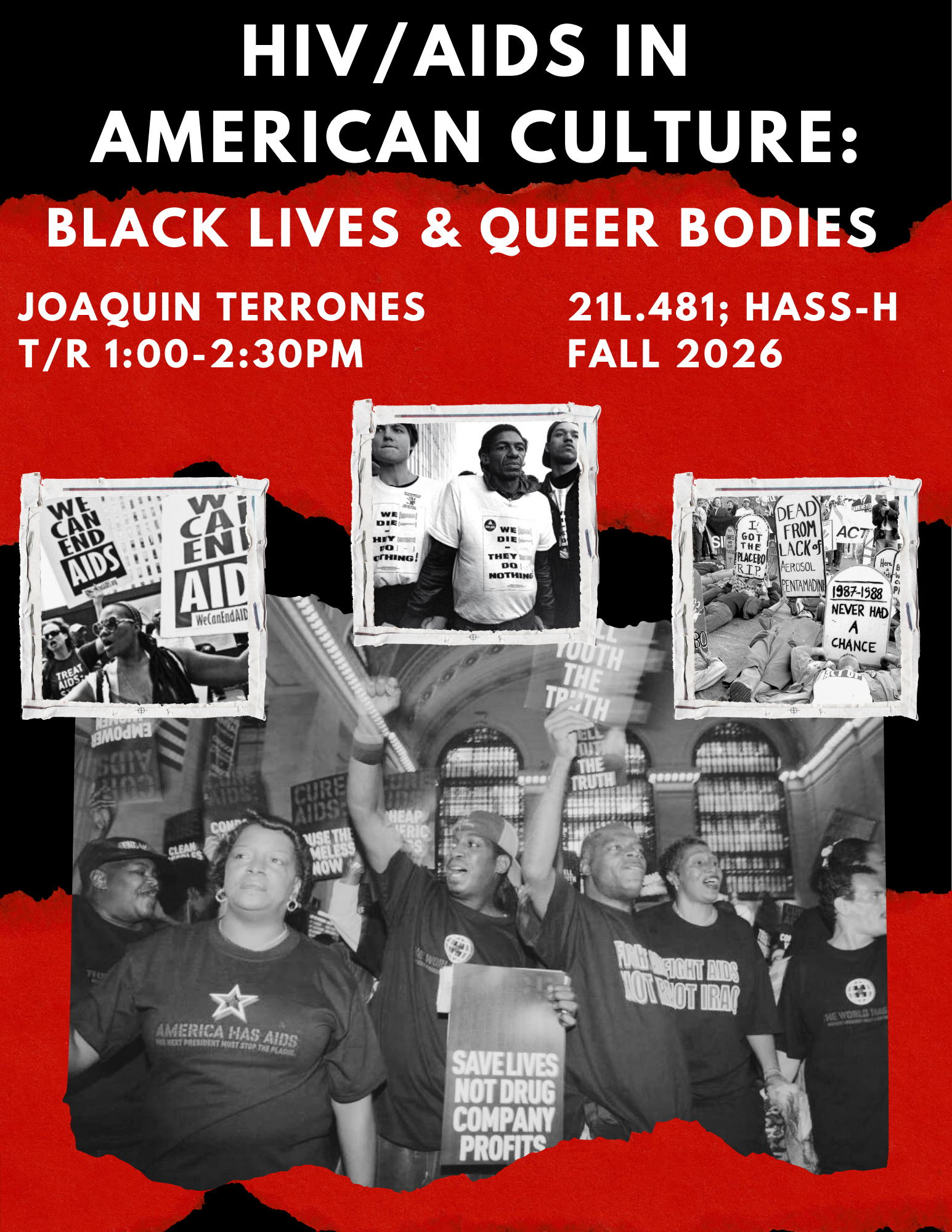
Focuses on LGBT literature from the mid-19 century to the present, with an emphasis on fiction and poetry. In particular, analyzes how LGBT identities and their literary representations have changed over time. Covers authors such as Walt Whitman, Oscar Wilde, Virginia Woolf, James Baldwin, Audre Lorde, Cherrie Moraga, Melvin Dixon, Leslie Feinberg, and Luis Negron.
Explores the memoir genre through a feminist intersectional lens, looking at the ways in which feminist writers ground personal experience within a complex understanding of race, gender, sexuality, class, ethnicity, immigration status/nationality, and dis/ablity. Gives particular attention to the relationships between the personal and the political; form and content; fact, truth, and imagination; self and community; trauma and healing; coming to voice and breaking silence. Readings include books by Audre Lorde, Janet Mock, Daisy Hernandez, Jessica Valenti, and Ariel Gore, and shorter pieces by Meena Alexander and Leah Lakshmi Piepzna-Samarasinha. Drawing on lessons taken from these works, students write a short memoir of their own.
Examines traditional forms of East Asian culture (including literature, art, performance, food, and religion) as well as contemporary forms of popular culture (film, pop music, karaoke, and manga). Covers China, Japan, Korea, Taiwan, and Hong Kong, with an emphasis on China. Considers women's culture, as well as the influence and presence of Asian cultural expressions in the US. Uses resources in the Boston area, including the MFA, the Children's Museum, and the Sackler collection at Harvard. Taught in English.
Addresses the place of contemporary queer identities in French discourse. Discusses the new generation of queer authors and their principal concerns. Introduces students to the main classical references of queer subcultures, from Proust and Vivien to Hocquenghem and Wittig. Examines current debates on post-colonial and globalized queer identities through essays, songs, movies, and novels. Authors include Didier Eribon, Anne Garréta, Abdellah Taïa, Anne Scott, and Nina Bouraoui. Taught in French.
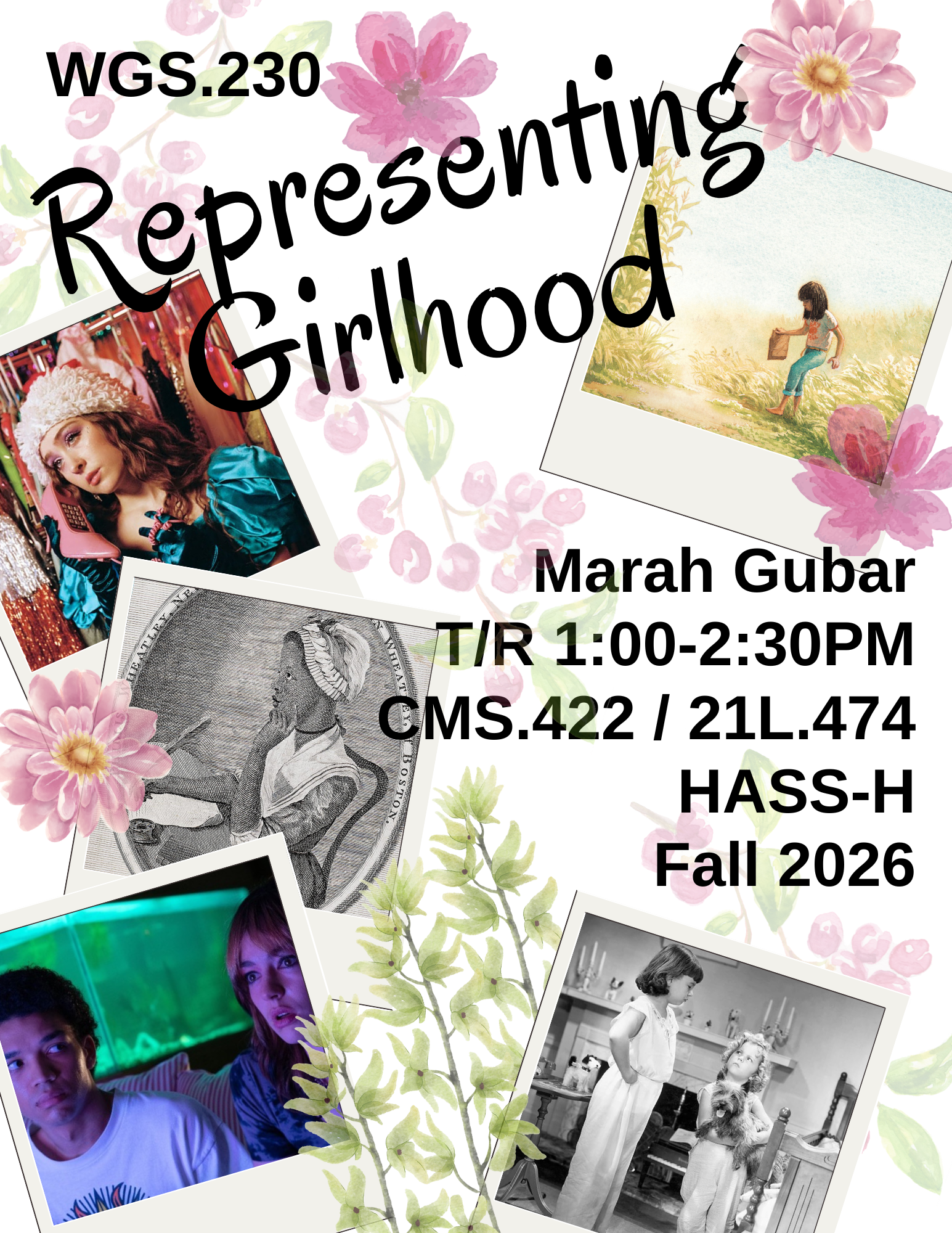
Invites students to analyze cultural artifacts that represent girlhood from various eras and genres, including novels, children's literature, poetry, film, television, and popular music. Conceives girlhood in a broadly inclusive way, putting a range of materials — e.g., cultural artifacts that center Black, Jewish, Asian, and queer girls — in conversation with one another, by artists like Toni Morrison, Judy Blume, Andrea Wang, and Chappell Roan. Helps students build their oral presentation skills. Includes field trips to local museums or cultural events.
Examines the influence of social and cultural determinants (colonialism, nationalism, class, and gender) on modern science and technology. Discusses the relationship of scientific progress to colonial expansions and nationalist aspirations. Explores the nature of scientific institutions within a social, cultural, and political context, and how science and technology have impacted developing societies
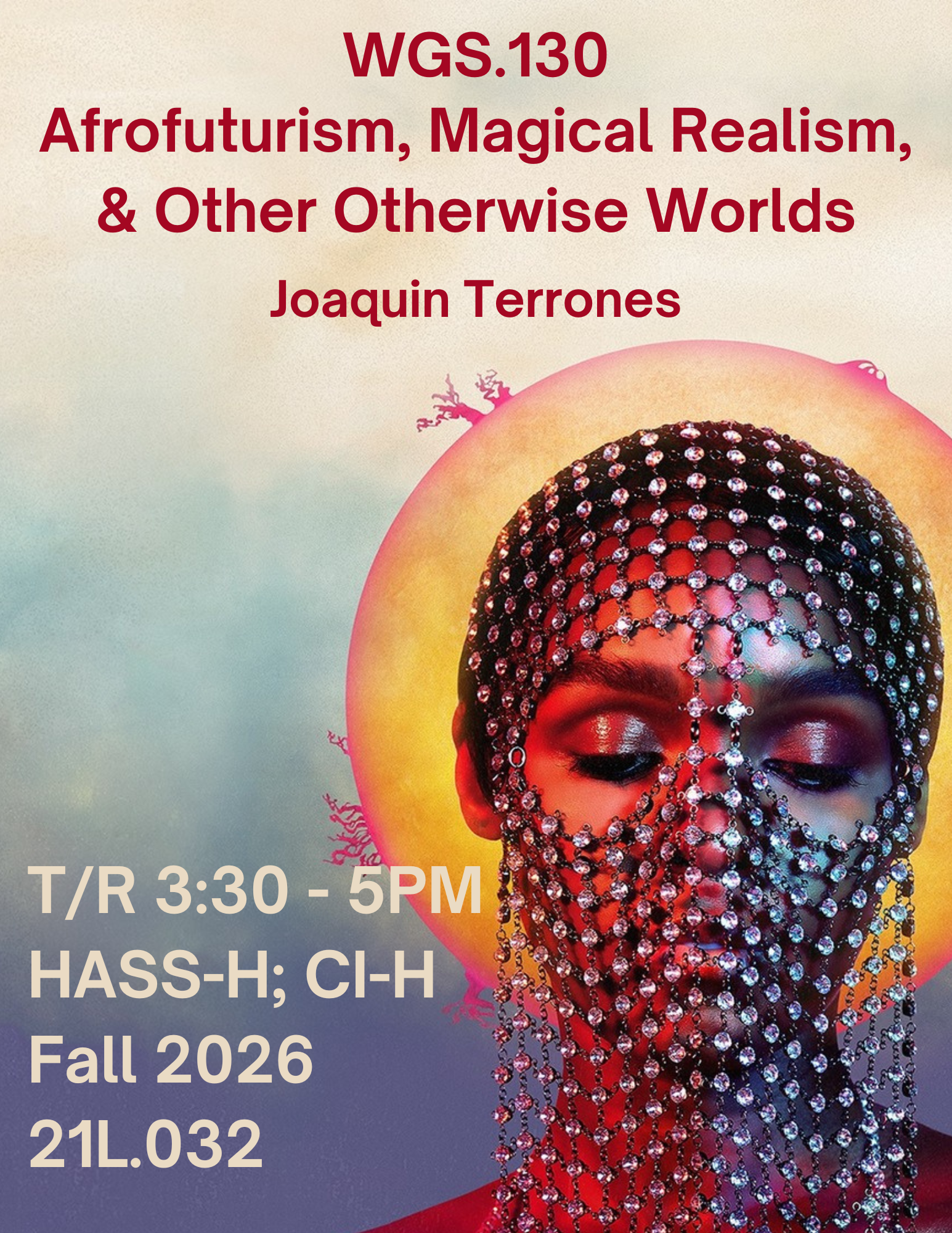
Examines Afrofuturism, magical realism, and other forms of the fantastic in literary texts, film, and other media. Through close reading and attention to historical, cultural, and sociopolitical context, students consider how these works reinterpret the past, diagnose modernity, and posit alternative futures. Particular attention given to the roles race, gender, class, and sexuality play within these radically imaginative worlds. Topics vary from term to term but might include work by Octavia Butler, Gabriel García Márquez, Samuel Delany, Toni Morrison, N.K. Jemisin, José María Arguedas, and Janelle Monáe. Limited to 18.
Explores a range of controversies about the role of technology, the nature of scientific research and the place of politics in science: debates about digital piracy and privacy, the role of activism in science, the increasingly unclear boundaries between human and non-human, the role of MRIs as courtroom evidence, the potential influence of gender on scientific research, etc. Provides exposure to science in a dynamic relation with social life and cultural ideas. Materials draw from humanities and social science research, ethnographic fieldwork, films and science podcasts, as well as from experimental multimedia. Enrollment limited.
Explores gender and race through interdisciplinary perspectives from film and visual studies, art history, and performance studies. Provides an overview of methodologies and practices, with an emphasis on contemporary artists working across mediums. Contextualizes artistic output within broader systems of power and cultural institutions. Reflects on the politics of visibility, hypervisibility, and invisibility through an intersectional feminist approach that draws on perspectives from trans*, queer, feminist, dis/ability, and critical race theory. Lectures are supplemented by screenings, discussions, workshops, guest lectures, and optional field trips. Culminates in a final creative project that includes a presentation.
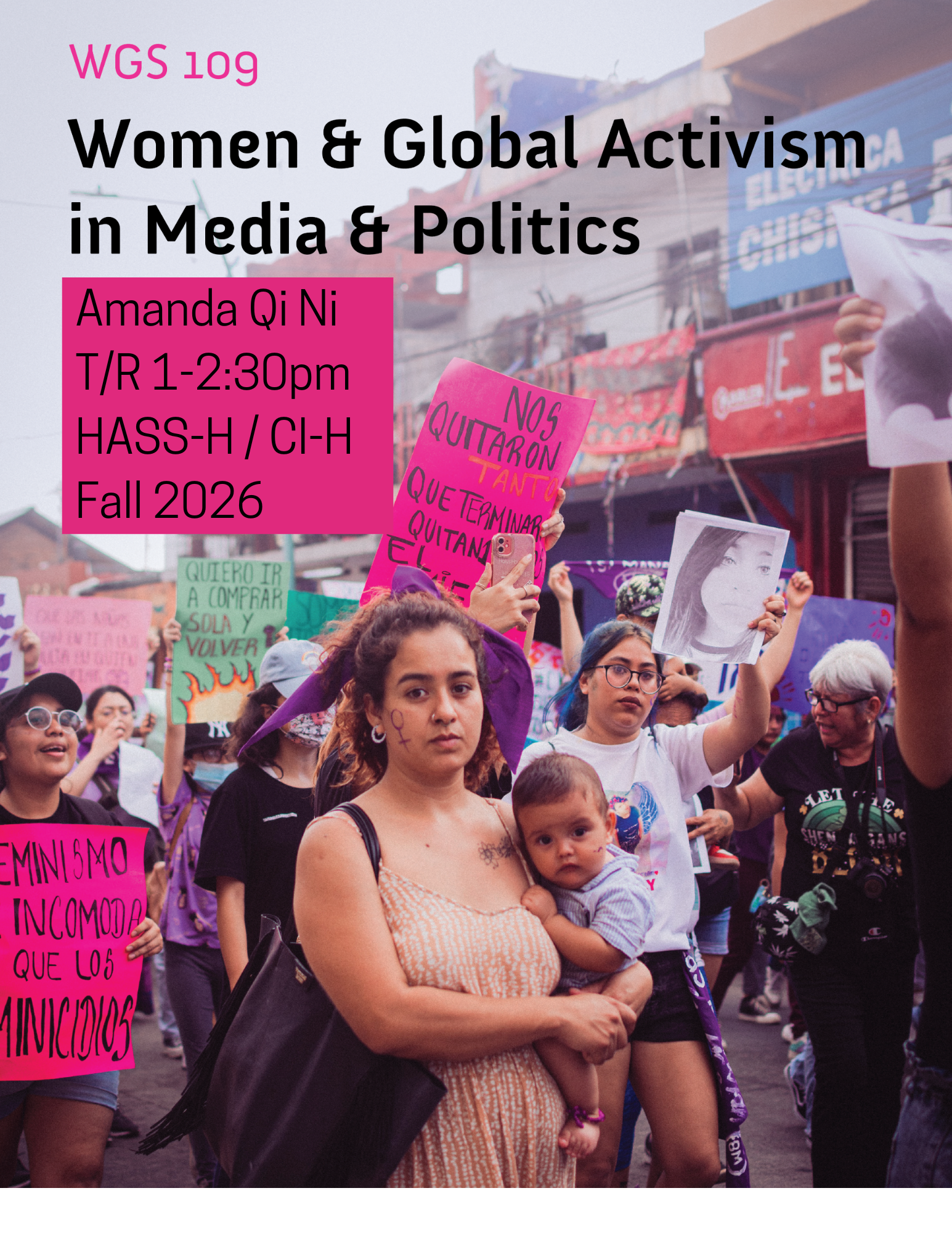
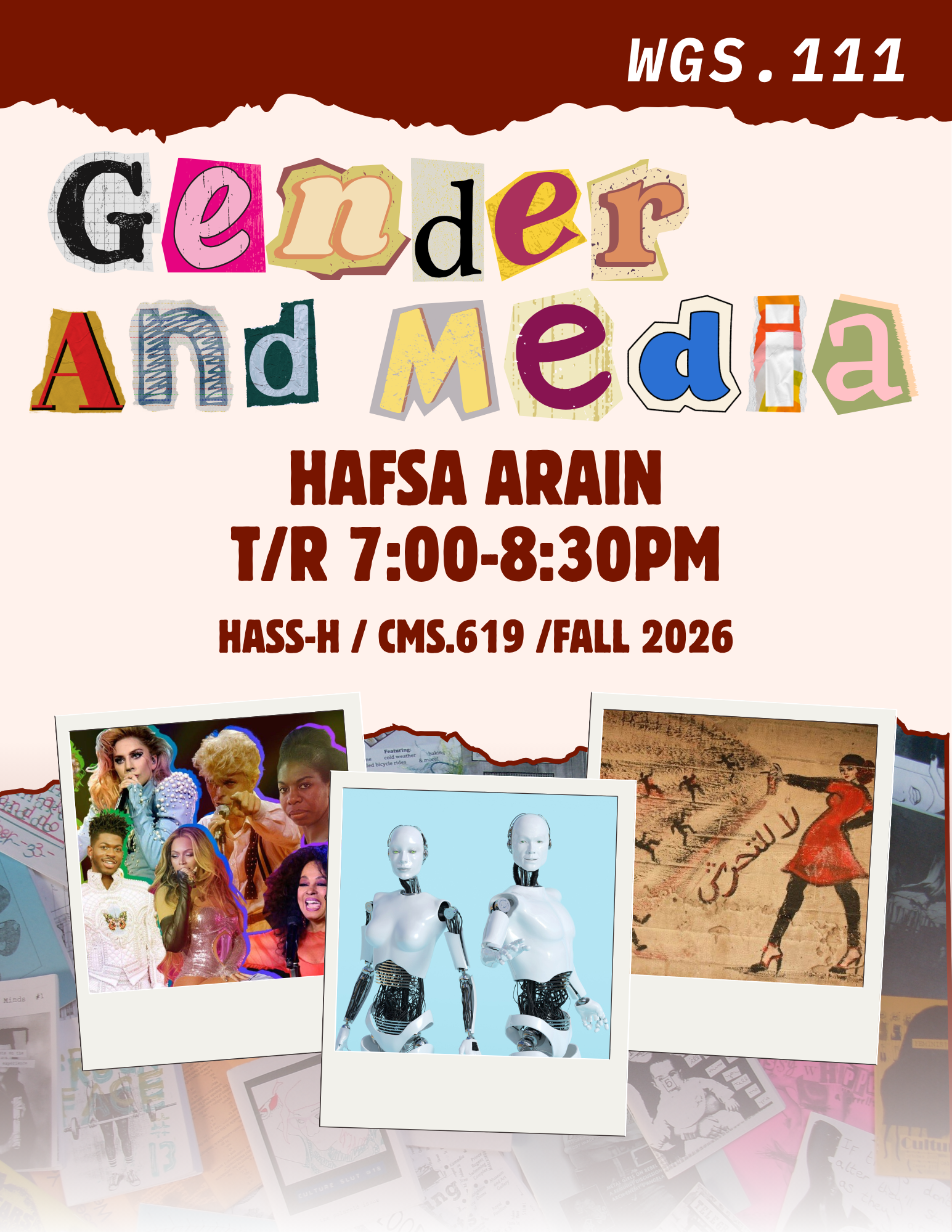
Examines representations of race, gender, and sexual identity in the media. Considers issues of authorship, spectatorship, and the ways in which various media (film, television, print journalism, advertising) enable, facilitate, and challenge these social constructions in society. Studies the impact of new media and digital media through analysis of gendered and racialized language and embodiment online in blogs and vlogs, avatars, and in the construction of cyberidentities. Provides introduction to feminist approaches to media studies by drawing from work in feminist film theory, cultural studies, gender and politics, and cyberfeminism.
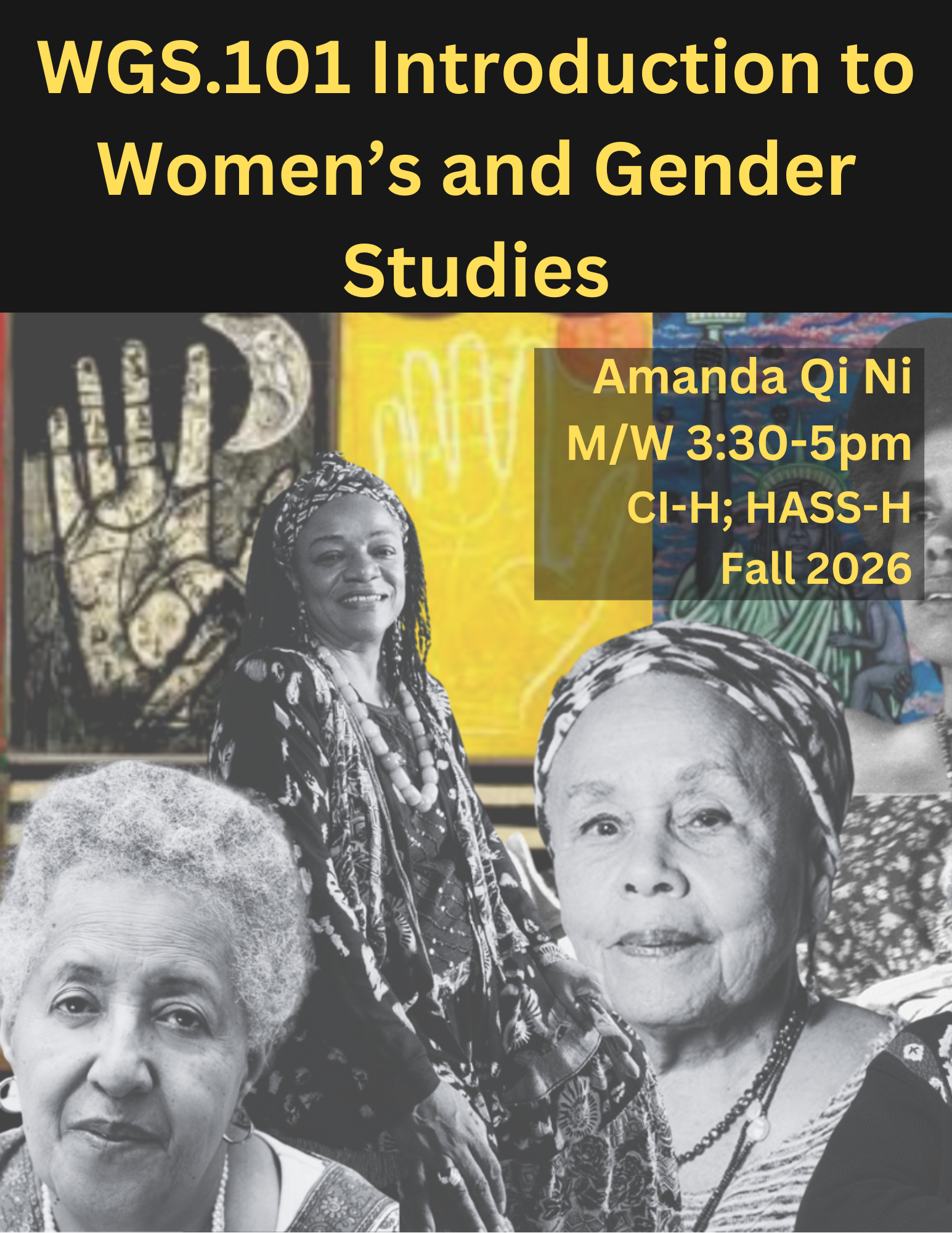
Drawing on multiple disciplines - such as literature, history, economics, psychology, philosophy, political science, anthropology, media studies and the arts - to examine cultural assumptions about sex, gender, and sexuality. Integrates analysis of current events through student presentations, aiming to increase awareness of contemporary and historical experiences of women, and of the ways sex and gender interact with race, class, nationality, and other social identities. Students are introduced to recent scholarship on gender and its implications for traditional disciplines.