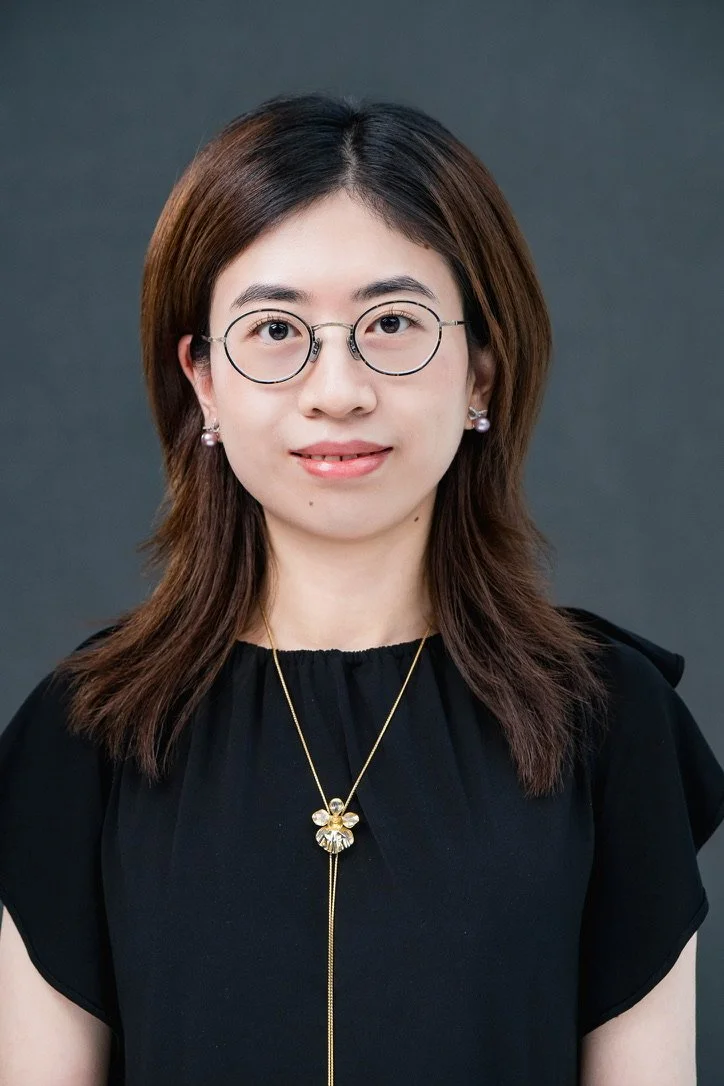
Amanda Qi Ni
Lecturer
Email: qni739@mit.edu
Subjects offered Fall 2026
-
HASS-H; CI-H
Units: 3-0-9
M/W 3:30-5pmDrawing on multiple disciplines - such as literature, history, economics, psychology, philosophy, political science, anthropology, media studies and the arts - to examine cultural assumptions about sex, gender, and sexuality. Integrates analysis of current events through student presentations, aiming to increase awareness of contemporary and historical experiences of women, and of the ways sex and gender interact with race, class, nationality, and other social identities. Students are introduced to recent scholarship on gender and its implications for traditional disciplines.
-
HASS-H; CI-H
Units: 3-0-9
T/R 1:00-2:30PMAn interdisciplinary subject that examines questions of feminism, international women's issues, and globalization through the study of novels, films, critical essays, painting and music. Considers how women redefine the notions of community and nation, how development affects their lives, and how access to the internet and to the production industry impacts women's lives. Primary topics of interest include transformations of traditional values, social change, gender role distribution, identity formation, migration flows, globalization and development, popular culture, urban life, cyber-culture, activism, and human rights.
Dr. Amanda Qi Ni (she/her/hers) is an award-winning Women’s and Gender Studies educator, interdisciplinary feminist scholar, and scholar-advocate whose work examines gender, power, media, and social change through intersectional and transnational feminist perspectives. She earned her Ph.D. in Mass Communications from Syracuse University, along with certificates in Women’s and Gender Studies and Public Scholarship. Her scholarship examines gender-based violence and culturally responsive survivor advocacy among Asian women in the United States, with particular attention to how language, migration, and institutional power shape communication practices and survivors’ access to support. Her broader work explores digital activism, survivor-led coalition building, and community organizing as sites of collective care and transnational feminist solidarity. As a scholar-advocate, she works with community partners, advocates, and service providers to translate research into public-facing conversations and practitioner-oriented workshops on culturally responsive approaches to survivor support.
In the classroom, she brings these commitments into dialogue with contemporary questions of identity, inequality, globalization, technology, and social justice, creating a student-centered space for examining how intersecting systems of power shape institutions, communities, and everyday life. She has taught courses in Women’s and Gender Studies, Global Feminisms and, Media, Communication & Society.